Most people think Snowdon is where the real action happens. Trouble is, the mountain everyone talks about isn’t always the mountain that stays with you. Ask anyone who loves British hills, and they will tell you Tryfan not only leaves a mark on your memory but sometimes also on your knees.
In this guide, I’ll cover what makes Tryfan such a one-off, the best ways up for mere mortals, how not to get lost coming down, and the crucial gear and tips for a cracking day out.
Get to Know Tryfan: More Than Just a Big Hill
Tryfan isn’t one of those mountains you just walk up. It’s wild, rocky, and full of surprises. I first climbed it when I was 18, back when I had no real idea what I was doing. I’d just started university in London and somehow ended up in a minibus with a group from the mountaineering club.
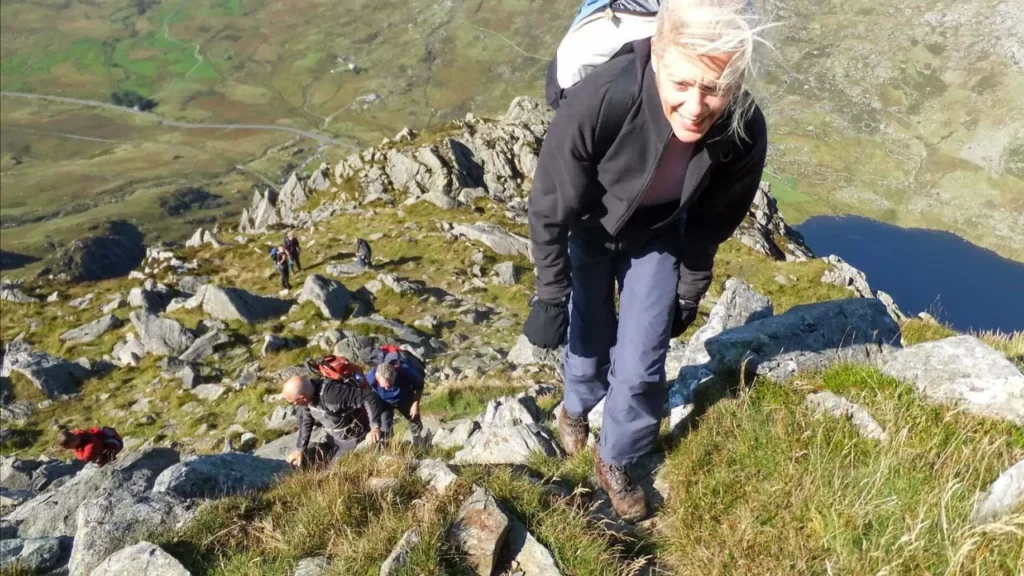
I remember scrambling up the steep North Face, feeling brave at first – until I got near the top and completely lost my nerve. That was the day I learned that Tryfan doesn’t mess around.
Fast forward nearly thirty years, and here I was again. Older, slightly wiser, and now roped into another Tryfan climb – this time by my wife and daughter. They were buzzing with excitement. Me? Less so. We opted for the South Face this time, hoping for something gentler.
But even that route was tough. Tryfan doesn’t have easy paths or signs. It’s all rocks, scrambles, and sharp drops. No cafés, no smooth tracks – just proper mountain stuff. If you're thinking of trying it, bring your best boots, a bit of nerve, and be ready for a real adventure.
Choose the Right Route up Tryfan: Is There an Easy Way?
Let’s bust the first myth: there’s no “easy” way up Tryfan. Not in the sense of an easy ramble. You won’t find a way up in trainers, dodging the odd boulder. Scrambling’s part of the deal is that both hands and feet will be on the rock, sometimes with a night out’s worth of nerves.
If you want the least technical scramble but still a solid day out, the South Ridge is your best bet. This route is grade 1 (“scrambling” but not climbing) and keeps things fairly steady compared to the terrifying North Ridge.
For most non-experts, it’s the route I’d take my hill-shy mates (or my own mum, though I’d still make sure she’s steady on her feet).
Start from the Best Spot: Parking, Paths, and Avoiding a Rubbish Start
Where you start can set your whole day on track – or turn it into a wild goose chase before breakfast. Most folk start from Ogwen Cottage, right off the A5, with a proper car park and facilities. If you’re camping, the Gwern Gof Uchaf campsite is a solid shout (LL24 0EU for your sat nav).
From these starts, join the footpaths towards the south side of Tryfan. Look for signed routes heading north from the Ogwen Cottage side or through farm tracks if you’re at the campsite.
Trust me, you should get the route from the map or an offline app before you lose signal. I’ve seen too many walkers faffing at the road, looking for a path that’s behind a sheep gate.
Follow the South Ridge Route: Step-by-Step up the “Easiest” Side
This is where the walk gets good. Two main approaches lead you towards Bwlch Tryfan:
- Via Cwm Tryfan: a slightly longer, steady plod on decent ground.
- Via Cwm Bochlwyd: a tad shorter, but a bit rougher underfoot in places.
Both routes get you to Bwlch Tryfan, the wind-blasted saddle south of the peak. You’ll probably stop here to catch your breath and get your bearings. From here, head north on the boulder-strewn South Ridge.
For the first bit, you’re mostly hiking with hands ready for the odd rock. The views open up to the Carneddau and way down towards Ogwen. As you climb past the Far South Peak, you’ll join the Heather Terrace path and then strike more directly for the summit. The climb gets rockier here—think hands-on, but not full climbing.
Tackle the Upper Stretch: Where the Scramble Gets Real
Now for the section that makes or breaks a day. The last few hundred vertical metres are classic Tryfan—big rock steps, loose scree, and occasional “where’s the path gone?” confusion. Things get exposed too, with proper drops towards Cwm Tryfan. If you’re not great with heights, take a breath and stay focused.
Quick story: I once watched a group of first-timers bottle it twenty metres from the top. The wind picked up, a bit of drizzle hit, and suddenly those rocks felt twice as slippy. If in doubt, keep your hands on the rock, move slow, and don’t follow every “shortcut” someone in trainers suggests.
Keep an eye out for the famous “Adam and Eve” stones at the summit. Some people leap between them. Legend says you’re not a “true mountaineer” unless you do. Only try it if you’ve got nerves of steel and sure footing – it’s a proper drop on either side.
Descend Safely from Tryfan: Don’t Ruin Your Day on the Way Down
Most accidents on Tryfan happen going down – tired legs, loose rock, and the sense that you’re nearly done can catch you out.
You’ve got two solid options:
- Retrace the South Ridge. It might feel dull, but at least you know what’s coming. Paths can be cairned or faint, so watch out for the right line between boulders.
- Edge down the West Gully. It’s quicker (about an hour), but steeper and often looser. Careful when wet or after rain—it turns into a slide for the unprepared.
I’ve seen walkers take the north edge and instantly regret it—steep, unmarked, and not for anyone without scrambling chops.
Whichever you pick, take your time. Poles can help, especially if your knees are getting sore, but keep your hands free for the roughest bits.
Walk the Tryfan Circuit: For Those Who Want Views, Not Vertigo
If the scramble sounds borderline for your group or you’ve got reluctant youngsters or keen photographers, consider the Tryfan circuit. It takes the full mountain in from all sides, includes Lake Australia, and still gets the blood pumping without forcing everyone up the exposed ridge.
Start from Gwern Gof Uchaf and take the old miners’ road. Swing by the Gwern Gof Isaf campsite. Look out for those photo-perfect views of Tryfan’s stone spire. Follow the ridge (Briach y Ddeugwm) as high as you dare, then drop to the beautiful pools of Llyn Caseg Fraith. The route is a good 6-7 miles of up and down, with a couple of steep bits, but you can skip the summit scramble and still call it a day well spent.
My lot once followed this after a soggy weekend – still got cracking views, and nobody ended up with the shakes on a rock ledge.
Pack Smart and Prepare Well: Kit You’ll Thank Yourself For
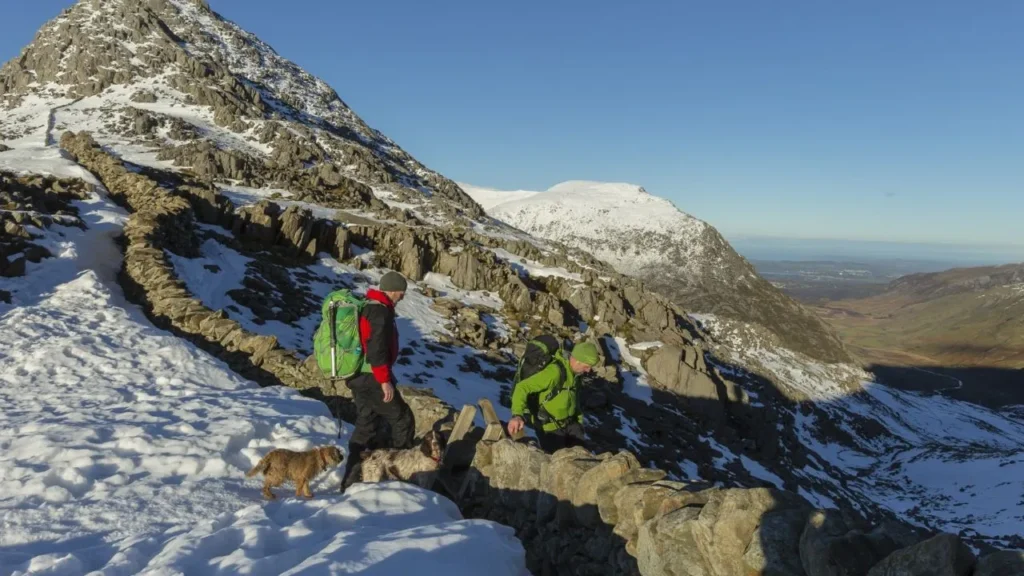
If there’s one bit of advice I’d pass on about Tryfan, it’s this: don’t show up unprepared. This isn’t a Sunday stroll. It’s a proper mountain that’ll catch you out if you’re not ready.
- Wear decent boots. Not trainers, not fashion hiking shoes – real boots with proper grip. The rocks are rough, steep, and slippery when wet. I go for waterproof mids and chuck on gaiters if the ground’s soggy. They’ve saved my legs more than once.
- Dress for all seasons. Even if the sun’s blazing in the car park, the wind up top can feel like winter. I always pack a rain jacket, a warm layer, hat, and gloves – yes, even in July.
- Bring more water than you think. Scrambling takes it out of you. I’ve seen people run out halfway and struggle on the way down. Same goes for snacks. Pack more than a flapjack and a banana.
- Map, compass, or GPS – don’t skip this. Tryfan doesn’t have tidy paths or signs. In bad weather, it’s easy to get turned around. I’ve had to help more than one walker who didn’t know which way was down.
- A few extras that matter: a basic first aid kit, a foil blanket (just in case), and a headtorch. You never plan to be out after dark, but things happen.
You’re not trying to win points by carrying the lightest pack. It’s about making sure your day doesn’t turn into a mountain rescue call-out.
Top Tips for a Brilliant Tryfan Day Out
- Set off early: You’ll beat the crowds, find parking, and have the place almost to yourself for sunrise photos. Gwern Gof Isaf car park is magic first thing.
- Watch the weather: Wind and rain can transform the scramble into something much more serious. Check your forecast right before you leave. If the tops are socked in, choose the lower circuit instead.
- Crowds: Summer weekends are busy. If you like a quieter day, midweek’s your friend.
- Stick together: Don’t let the group split. Losing people among these boulders is easy.
- Check everyone’s kit: Before you set off, make sure the weakest walker has good boots, layers, and plenty to eat and drink.
- Rest often and eat early: Energy hits low just as you hit the steepest stretch. If I had a pound for every group I’ve seen run out of biscuits on the summit…
If you want the best sunrise photo, scope out the minor roads between the two campsites or bring a flask for an early break at Llyn Caseg Fraith.
Final Thoughts: Is Tryfan Right for You?
If you’ve read this far, you already know Tryfan is no push-over. The South Ridge is the “easy” way, but that’s only by Tryfan standards. It’s a brilliant step-up challenge for anyone ready for hands-on terrain and a taste of real British mountain adventure. For those not keen on scrambling, the Tryfan circuit gives all the views without the nerves.
Either way, prepare well, watch the weather, and always pack your sense of humour. It’s a big lump of rock that takes no prisoners, but gives stories you’ll share round every campfire after.
Got questions or need route advice for other classic hills? Ask away – just don’t ask me to leap between Adam and Eve. I know my limits.