Struggling to find trail shoes that can handle tough terrain without sacrificing comfort? We’ve been there – mud, rain, rocky hills, and surprise detours up sheep trails. So, we laced up and put several Helly Hansen trainers and sneakers through proper testing.
No showroom opinions here – just real feedback from someone who’s hiked soggy Dartmoor paths, tackled coastal cliff tracks, and jogged through the kind of puddles that laugh at “water-resistant” claims. If you’re wondering whether these shoes can keep up, let’s break it down.
Meet Helly Hansen: The Outdoor Clever-Clogs
Helly Hansen has been making gear tough enough for North Sea fishermen and wet enough for Scottish mountains. Their kit isn’t just showy labels. It’s made for folks who get outside and want to come back with all their toes intact.
Now, their trainers and sneakers are getting attention. Are they just for trail hounds, or should any camper consider them? Let's get practical.
The Range: Trail Crunchers and Town Strollers
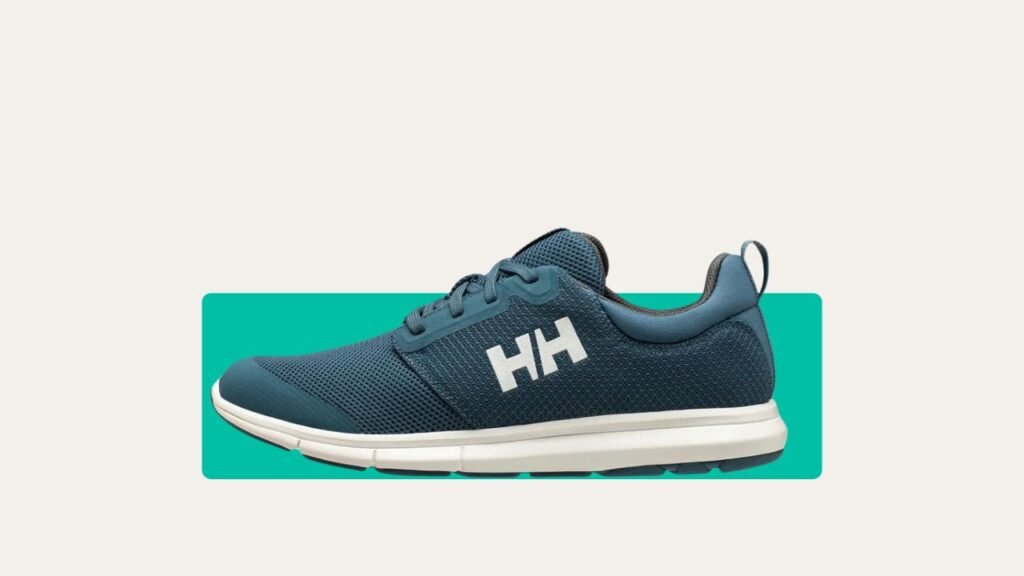
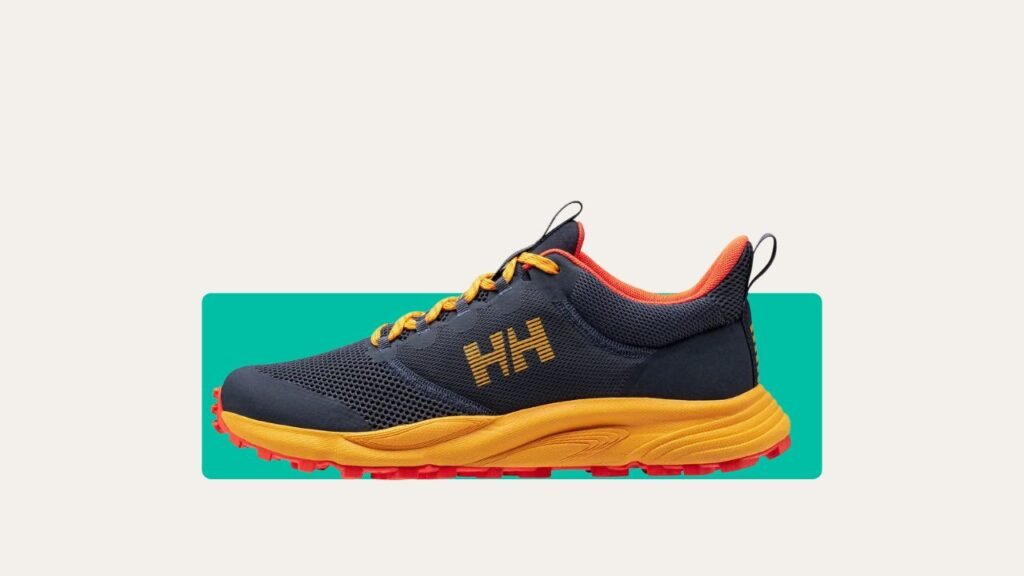
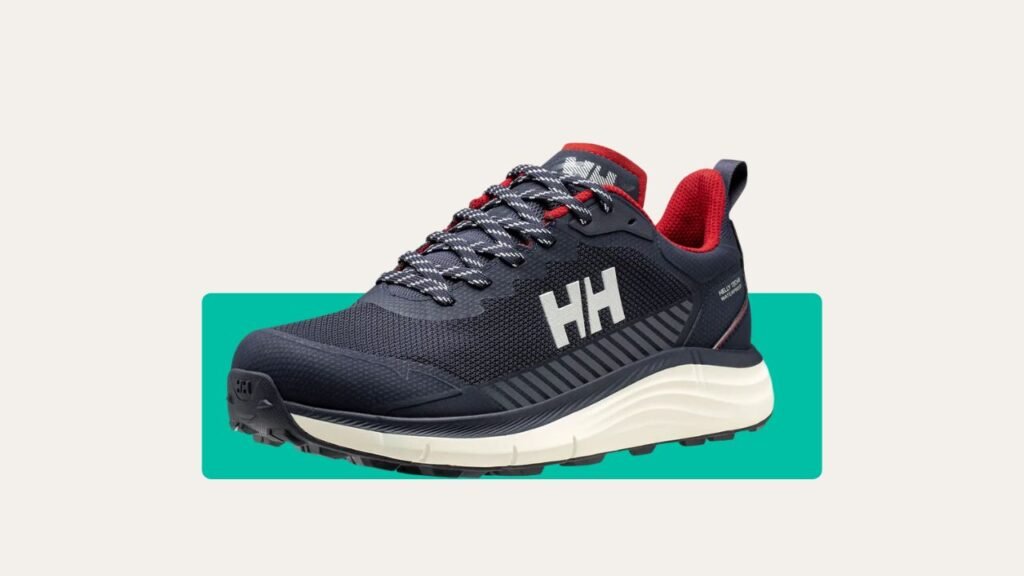
Helly Hansen doesn’t throw out dozens of models a year. But what’s on offer matters. You’ll find trail shoes built for rooty, rocky miles – like the Falcon, Featherswift, Trail Wizard, and Skyhawk.
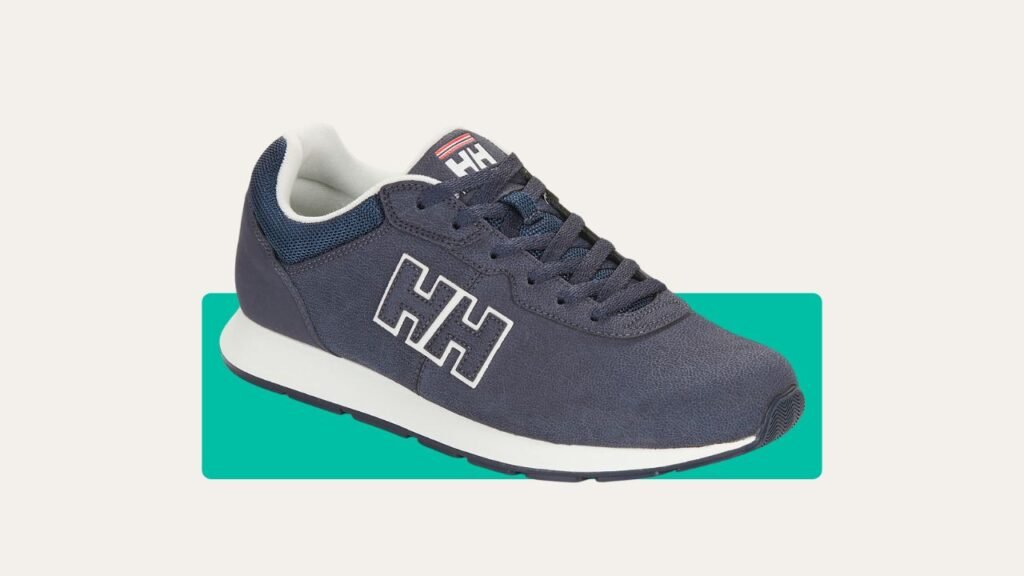
There’s the Ahiga V4, cleverly doubling up for boat decks and pub gardens. Whether you’re plotting a wild camp near Ullswater or just want shoes that won’t make you look like you’ve turned up straight from a cross-country race, there’s an option.
The Skyhawk Trail Shoe: Fit, Feel, and Who They’re For
Let’s tackle the Skyhawk first. These are trail shoes through and through – lightweight, with a springy, cushioned sole that makes a 10km walk feel more like a stroll to the shops. The fit is spot on if you’ve got average-to-wide feet. I found the toe box roomy – vital for when your feet puff up after hours on rocky tracks.
There’s a bouncy energy return that helps on steep slopes, and the grip is a dream on dirt, gravel, and roots. If you’re a hiker, dog walker, or you tackle Park Run courses that turn muddy come autumn, these play nicely. Not the best for road runners, though – the lugs can wear quickly on tarmac.
Technical Specification of the Skyhawk
Here's the jargon cut down to what’s useful for campers and trail runners:
- Weight: Most Helly Hansen trainers are lighter than you’d expect. Skyhawk comes in at just 260g. Light feet means less fatigue over a long day.
- Outsoles: The lugs are angled for serious grip – proper 360-degree traction on wet rocks, leaf-covered trails, and gravel. The compound is soft enough for confidence but won’t leave you sliding.
- Materials: Bound to keep eco-friendly folk happy, most use recycled polyester up top and rubber outsoles that don’t mark wooden floors.
- Extras: Look for reinforced toes (for kicking roots, not on purpose) and padded heels that truly hold your foot even after 20 miles.
Skyhawk Trail: Design and What Stands Out
What’s different about the Skyhawk? For starters, it avoids excessive bulk. The upper is seamless, breathable, and treated for water-repellency – perfect for that sudden Cumbrian drizzle or a paddle through shallow puddles.
The sole flexes with your foot, which reduces calf burn on longer hikes. Toe protection is beefy enough to take a good whack against a hidden stone. The removable insole is actually supportive, not just a limp afterthought.
There’s even a neat debris shield over the tongue, which stops little stones from sneaking in, especially if you cram socks into your trail shoes as I do.
The Real Test: Park Run and Out-and-About
Here’s where most online reviews fall flat – they never leave the office. I’ve taken these on a soggy Park Run in South London, missed the turning, and ended up running an extra kilometre. Terrain changed from slippery grass to muddy tracks, and the Skyhawks just kept gripping. My feet didn’t feel heavy, and there were no hotspots or blisters.
Biggest surprise? I didn’t need to whip them off as soon as I finished – they’re comfy enough for a post-run coffee and don’t look out of place in the café. That's a big point for anyone who dreads foot faff after miles on the hill.
Model-By-Model: Which Helly Hansen for Which Job?
If you can't be faffed trawling specs, here’s the lowdown:
Featherswift: Lighter than most chocolate bars and flexible enough for quick sprints up hills. If you love feeling every dip and pebble, these are your mates.
Falcon: For those who want a trainer that won’t die after one rough outing. Mega grip, sturdy build, decent for dog walking or long hauls through mud. Only gripe, the white foam picks up grime easily, so go for darker colours.
Trail Wizard: If you’re just starting with trails, or want something for both tarmac and track. Breathable and supportive, just avoid deep puddles – they aren’t for Lake District bog-hopping.
Ahiga V4: Absolute winner for boat owners, paddleboarders, or those who want one shoe for everything. Quick-drying, grippy, and you won’t look daft wearing them to the pub after a trip to the marina.
Helly Hansen Strengths: What They Always Get Right
Why consider Helly Hansen trainers?
- Lightweight Build: Less leg ache. You can walk further without dragging your feet.
- Breathability: Critical when the summer sun pops out, or you get sweaty feet on long treks.
- Versatility: Trail to town to tent without swapping shoes.
- Grip That’s Actually Reliable: Tested on real British trails, not just a dry Californian car park.
- Eco-Friendly Touches: If you want to feel good about your kit, the use of recycled plastics is a real plus.
I’ve battered mine through three regional park runs, an unexpected wild camp, and even a very wet canoe trip. They don’t fall apart or get smelly quick, which is more than I can say for a lot of “outdoor” shoes.
Weak Spots: Where You Might Swear at Them
Nothing’s perfect, honestly. A few things to watch:
- Waterproofing: Most are water-repellent, not fully waterproof. If you love bogs or rainy hill days, bring spare socks or pick boots instead.
- Grip on Wet Pavement: Great on rocks and mud; a little slippy on wet tarmac or smooth flagstones, so take extra care on rainy pub returns.
- Price: Not bargain bin. You’re paying for tech and eco creds, but check your priorities. If you live in wellies or only ever wander dry Spanish footpaths, you might not get your money’s worth.
The Verdict: Should You Buy Helly Hansen Trainers?
If you want trainers to handle British unpredictability – think muddy trails, steep hills, light drizzles, and spontaneous pub visits, Helly Hansen ticks most boxes. They’re comfy, grippy, breathable, and last longer than takeout leftovers.
I’d skip them if you demand sealed waterproofing, or you mostly stick to city pavements. Otherwise, whether you’re hiking Hadrian’s Wall or just clambering around the woods on a wet half-term, they’re a sound investment.
My honest advice: Try them if you value happy feet, hate heavy boots, or fancy one shoe that can go from campsite to café. And don’t fall for the myth that only big boots beat the British weather. I've slogged through three-day wild camps in trainers and come out drier and happier than half the boot crowd.
If you want to know more about picking the right kit for British conditions, see our camping in wet weather advice. And if you do grab a pair, let me know how they do after your next muddy wander. Happy trails!
FAQs
How’s the sizing?
True to UK sizes, and half-sizes exist. I’d go up half a size if you plan long hikes – swollen feet are no joke after 8 miles.
Are they really durable?
Yes, if you keep them off endless tarmac. My pair still grips after months of abuse.
Worth it for casual use?
Absolutely. You can wear them across the campsite, nip to the shop, or chase the kids without changing into something “normal”.
Can you use trail shoes for road running?
You can, but expect the rubber to wear out sooner. Hybrid use is fine, but dedicated tarmac runners will want something different.
Will they keep my feet dry?
In light rain and puddles, yes. Try the Skyhawk in a river or storm, and you’ll wish you brought spares.