Everyone talks about fancy gear and high-tech socks, but here’s a truth you discover on any British hike: dry feet are everything. I’ve spent hours in the hills with water sloshing around my toes because I skipped good waterproofing. Once your boots soak through, it’s game over—blisters, cold feet, and that lovely whiff of damp leather following you home. If you want to keep walking, not limping, waterproofing should be at the top of your kit list.
Why Bother Waterproofing Leather Boots?
Most new boots come with a water-repellent finish, but it wears off. Rain, bogs and even morning dew will penetrate untreated leather before lunch. Wet boots weigh you down and stay soggy for days—especially in typical UK weather.
Waterproofing leather boots keeps your feet dry and prevents the leather from cracking and rotting. Miss this step and you risk not just ruined walks, but boots that fall apart long before their time. I learned the hard way on Dartmoor—ankle-deep in mud, boots squelching, I swore I’d never forget the wax pot again.
Know Your Leathers: Full-Grain, Nubuck, or Suede
Not all boots need the same treatment. Before you reach for any old leather waterproofer for boots, check what you’re dealing with:
Full-grain leather: The toughest and smoothest. It handles heavy waxes and pastes well and is built for wild tracks and boggy ground.
Nubuck: Looks like velvet and feels soft under the hand. Needs a gentler spray-on waterproofer or a special nubuck block. Waxes and heavy pastes will ruin the texture.
Suede: Classic for desert boots and some retro hikers. Easily stained and darkened, so only use waterproofing sprays marked safe for suede.
Pick the wrong type and your boots might end up blotchy or stiff as old cardboard.
Picking the Best Walking Boot Waterproofer
This bit is simple but important. There are three main types of waterproof for leather boots: wax, spray, and paste.
Wax: Classic for full-grain leather. Makes boots feel bulletproof and lasts through a wet season. Needs warming and can darken the leather, so patch test first.
Spray: Quick and best for suede or nubuck. Keeps the original feel and doesn’t mess with the nap. Perfect for those who hike in lighter boots or want a fast top-up.
Paste: Thicker than wax, great for battered boots and deep cracks. Soaks right in for heavy-duty, long-lasting waterproofing.
Think about where you plan to walk. Will you be tramping through bog or sticking to gravel paths? For all-day slogs in Scottish rain, go for wax or paste. For dry-weather strolls or pub walks, sprays are fine.
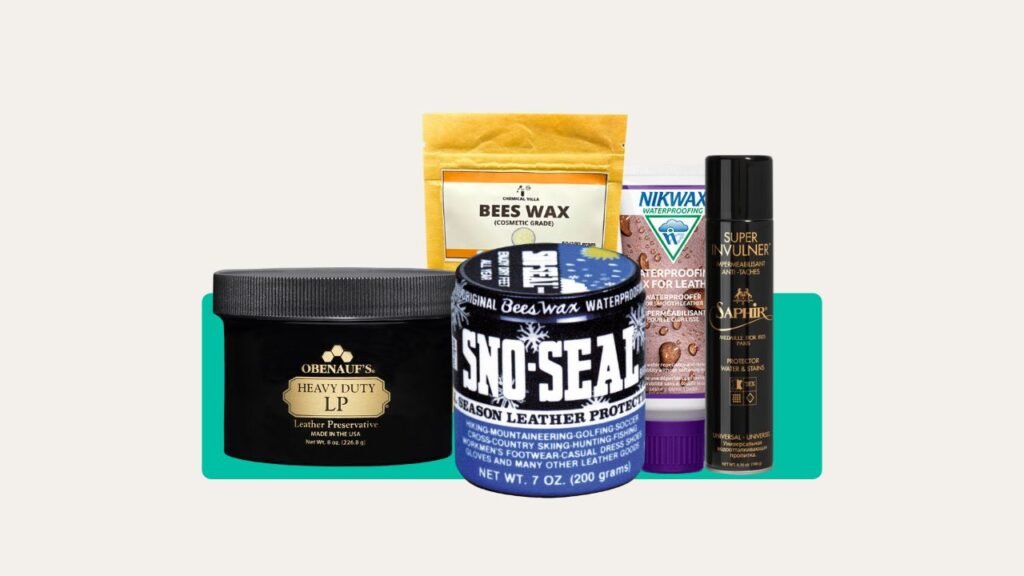
My Top 5 Waterproofing Products for Leather Boots
You only need one product—but get the right one for the job. Here are five that I trust, each with a proper use.
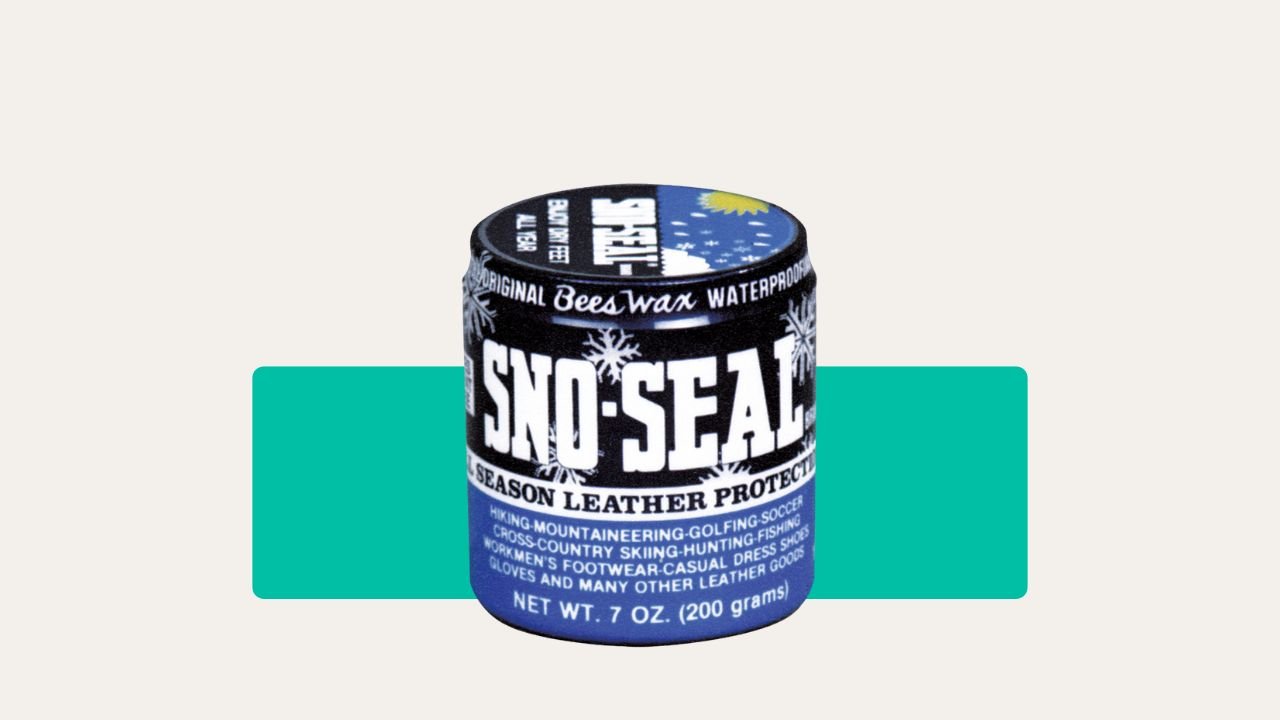
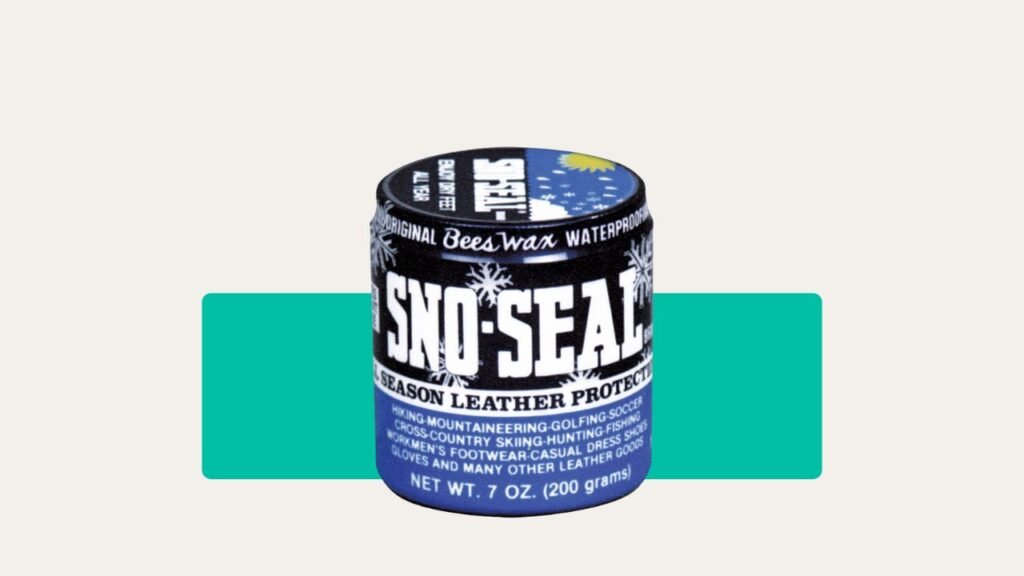
Sno-Seal (Beeswax-Based Wax)
Type / Base: Beeswax-based solid wax
Best For: Full-grain leather boots
Application: Needs heating before application
Pros: Long-lasting waterproofing, conditions leather, all-natural
Cons: Can slightly darken leather, not ideal for suede
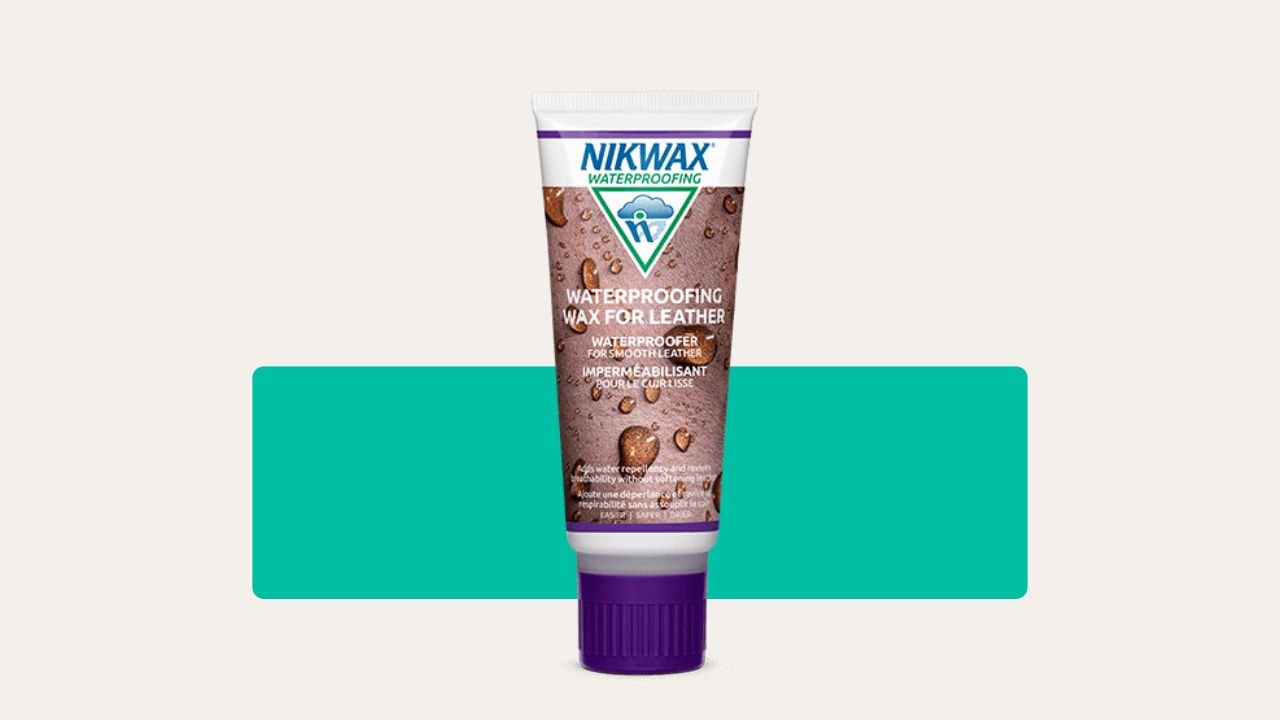
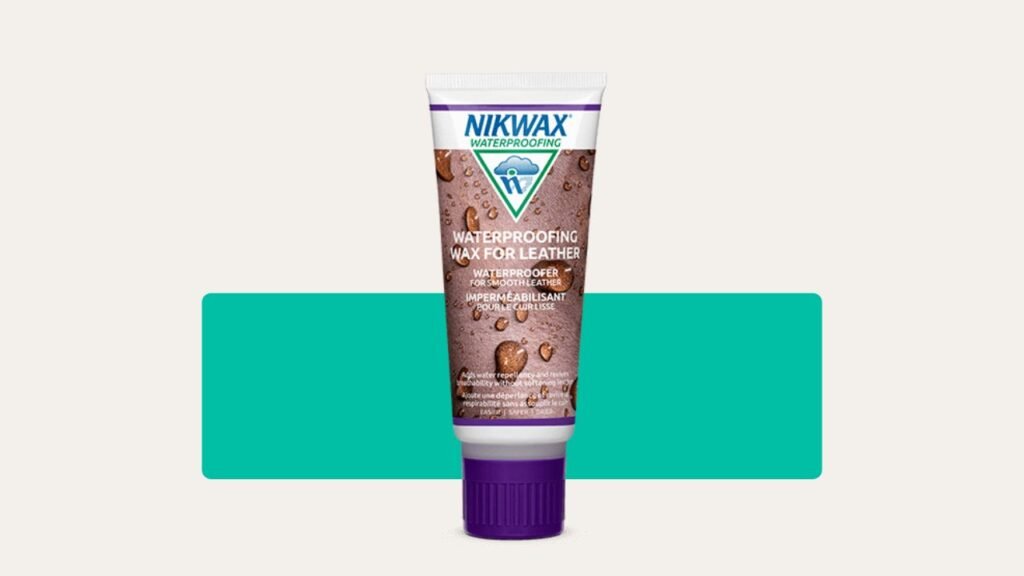
Nikwax Waterproofing Wax for Leather
Type / Base: Liquid wax
Best For: Smooth leather boots
Application: Rub-on liquid, no heating required
Pros: Easy to apply, dries fast, convenient for quick touch-ups
Cons: Less deep conditioning vs. solid waxes
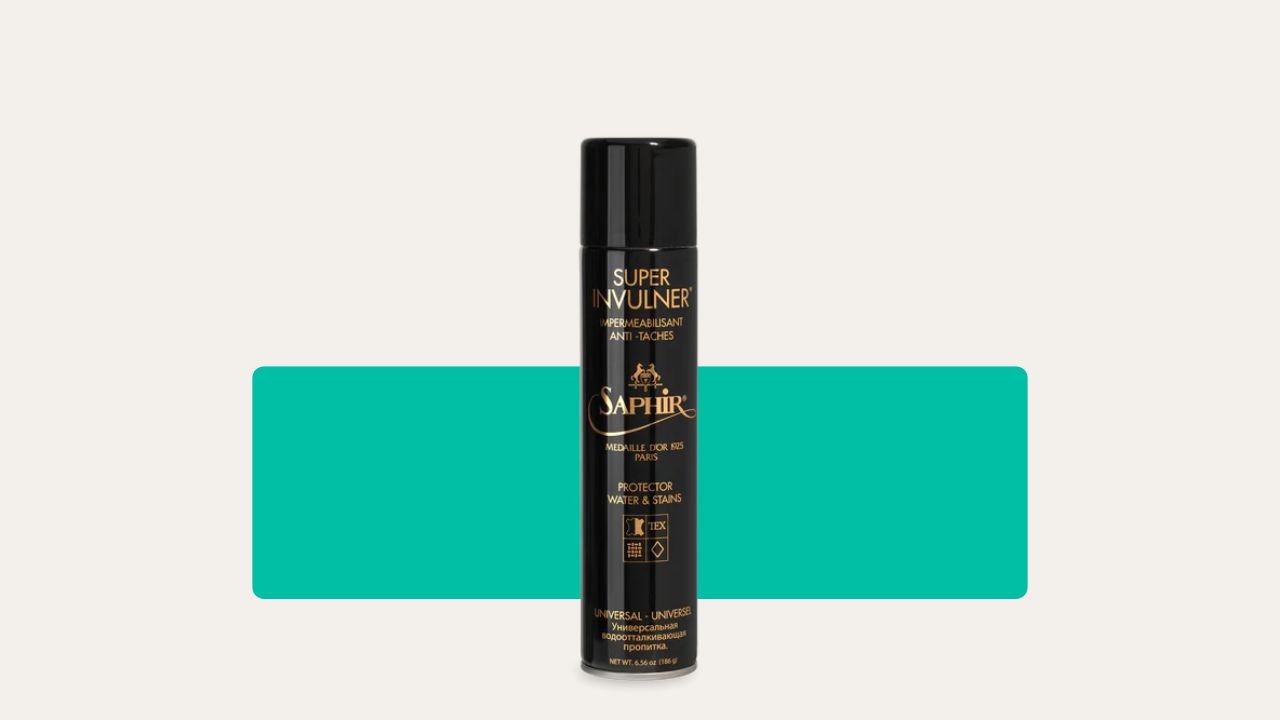
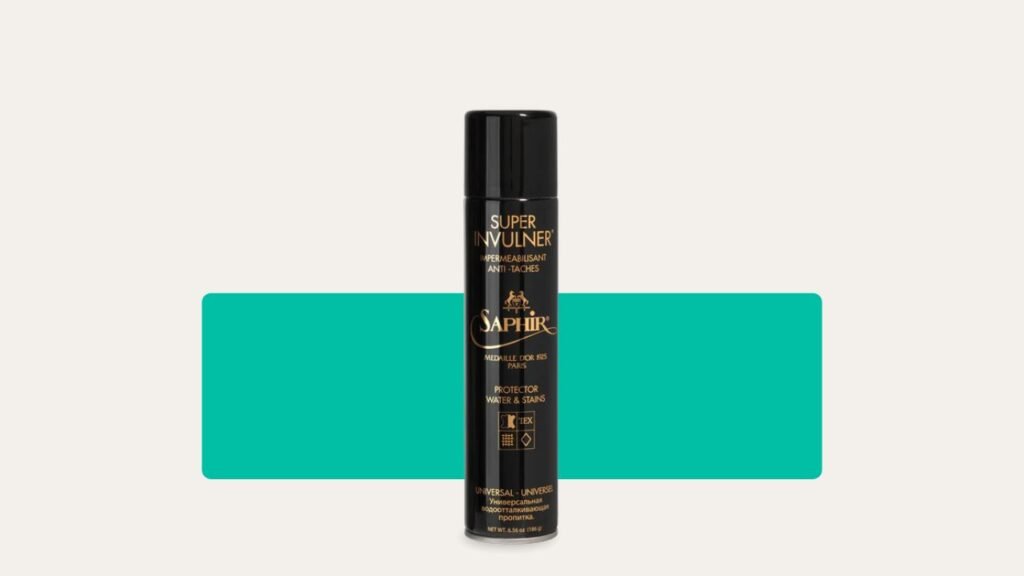
Saphir Medaille d’Or Super Invulner
Type / Base: Spray (fluorinated protection)
Best For: Suede, nubuck, and fabric/leather mixes
Application: Spray evenly over surface
Pros: Doesn’t change color or texture, high-end protection
Cons: Expensive, requires reapplication
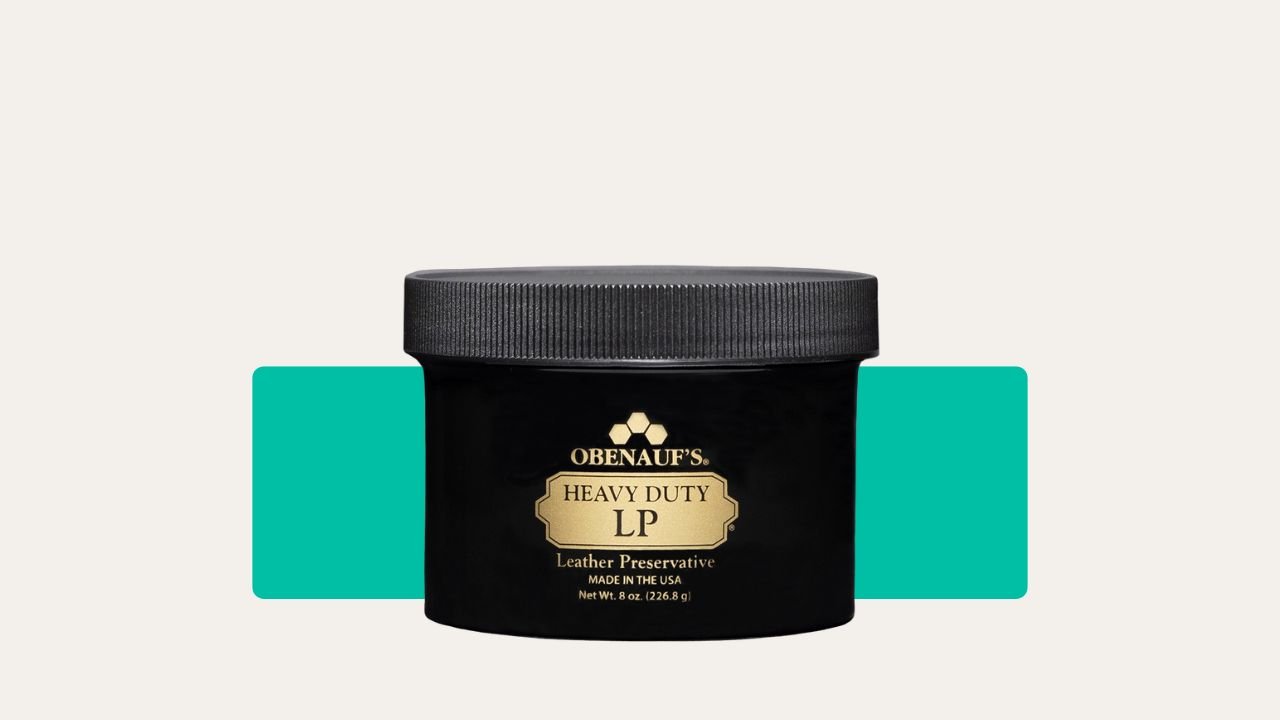
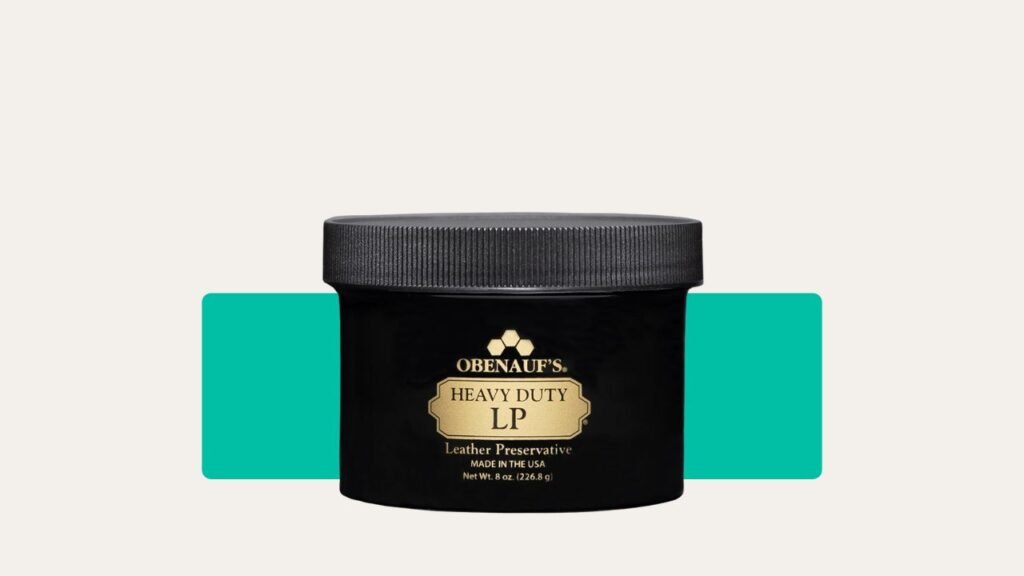
Obenaufs Heavy Duty LP
Type / Base: Oil & beeswax paste
Best For: Old, heavily used or weather-beaten boots
Application: Apply by hand or with a soft cloth
Pros: Deep conditioning, restores leather, strong waterproofing
Cons: Can darken color, slightly greasy finish
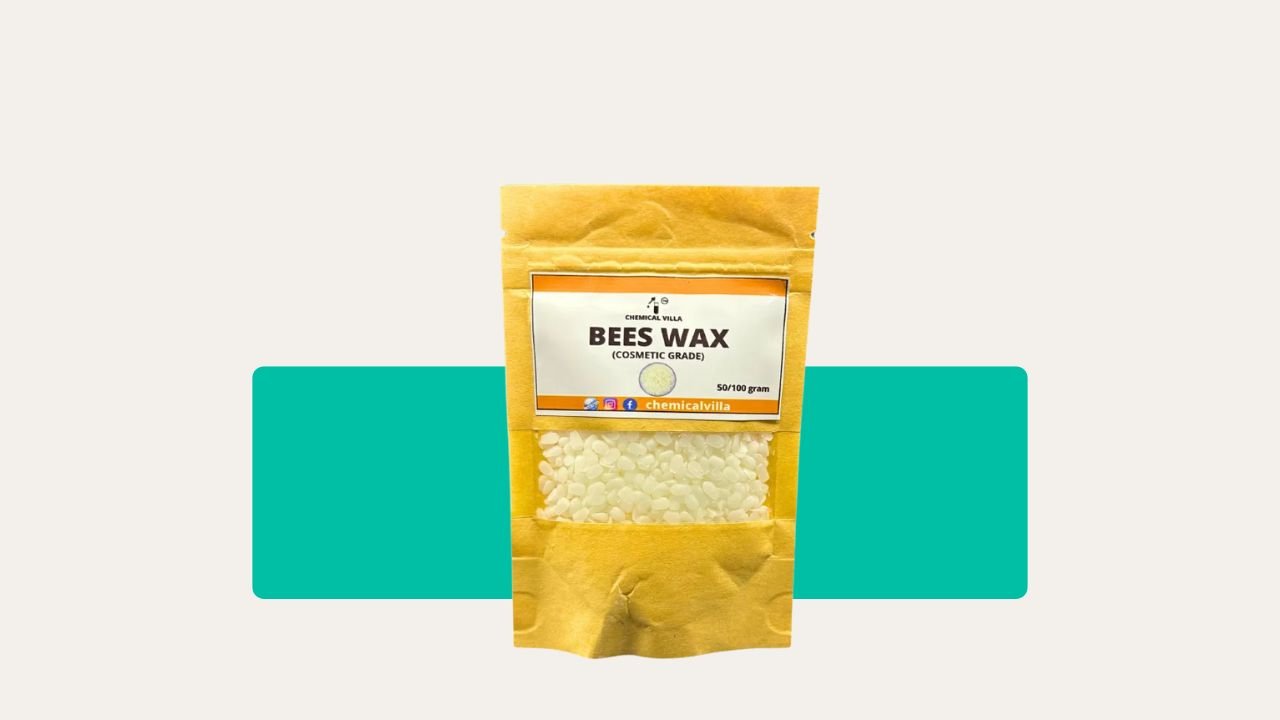
Pure Beeswax
Type / Base: 100% natural beeswax
Best For: Harsh wet conditions, daily mountain or field use
Application: Requires heating to apply evenly
Pros: Extremely durable waterproofing, fully natural
Cons: Time-consuming, changes leather appearance, not resoling-friendly
1. Sno-Seal (Beeswax-Based Wax)
This stuff is legendary. I once used it on a pair of old Altbergs before a week in the Lakes and stayed dry in ankle-deep puddles. Sno-Seal is solid, all-natural beeswax; it seals out water and doubles as a conditioner. Best for full-grain boots. Apply properly and you won’t need to touch up for months.
2. Nikwax Waterproofing Wax for Leather
Super easy to use—even on the go. Liquid wax rubs straight in and dries fast. Good for last-minute touch-ups before a walk, and you don’t have to heat it up. Works on smooth leather and won’t cake on.
3. Saphir Medaille d'Or Super Invulner
If you’ve spent a lot on boots or want to protect suede/nubuck, this spray is reliable. It’s more expensive but doesn’t alter colour or texture. Handy for posher or soft leather styles, and good for nubuck/fabric mixes.
4. Obenaufs Heavy Duty LP
Top choice for absolutely battered boots. If your boots have seen dozens of wild camps and river crossings, this paste cuts deep, conditions, and delivers serious waterproofing. Great for saving old favourites from the bin.
5. Pure Beeswax
Old school and rock solid, but harder work. Pure beeswax makes a bombproof barrier, yet can change the look of your boots and needs warming. I use this if I know I’ll be up in the Highlands with wet grass every day. Tip: avoid on boots you’ll want resoled, as it goes deep.

How to Prep Your Boots for Waterproofing
Don’t slap new waterproofer over last month’s mud. It needs to get into the leather, so here’s what to do:
1. Remove laces. Get into those tricky bits.
2. Brush off every speck of dried mud. Soft bristle brush is best; even better if you use mild soap and warm water.
3. Let boots dry fully – but never on a radiator or next to a fire. Too much heat wrecks leather.
4. Check seams and stitching. Worn spots need extra care. Sometimes I dab in a smidge more wax or paste here.
A careful start means better waterproofing and longer life for your boots.
How to Apply Wax or Paste Waterproofers
This is where people get it wrong—either slapping it on too thick or missing important seams.
Warm up Wax or Paste. If it feels hard or crumbly, use a hairdryer or your hands to make it pliable.
Use a clean rag or your fingers. Massage a light, even layer over clean, dry boots.
Work the product into seams, stitching, and eyelet holes. These leak first.
Don’t cake it on. Too much wax stops the leather breathing and makes boots heavy.
Wipe away excess. Use a dry cloth after 20 minutes.
The key is consistency. I missed toe seams once in South Wales and spent a week with wet socks. Don’t rush it.
How to Use Spray Waterproofers
Sprays are foolproof if you do it right. I use these on my summer boots and whenever I’m in a hurry.
Spray from about 15–20cm away. Closer and you’ll get puddles, further and you’ll miss spots.
Work outside or in a well-ventilated space. Nobody needs waterproof lungs.
Even coverage matters. Walk around the boot, spray all over (including seams and tongue).
Let it soak in. One good coat is enough—two if you’re feeling thorough.
Never spray on wet boots. It won’t set right and leaves spots.
Let Boots Dry and Keep the Leather Strong
Now comes the patience test. Drying boots too fast is the biggest DIY mistake going. Keep them at room temperature, out of direct sun or heat. Stuff with newspaper if you want them to keep their shape or dry quicker.
Once dry, give the leather a check. If it still feels stiff or looks cracked, rub in a proper leather conditioner. I sometimes use Leather Honey or a dab of mink oil—just don’t overdo it, or you’ll soften them too much for hill work.
How to Keep Boots Waterproof All Season
Don’t just waterproof at the start of the year and hope for the best. Here’s how to stay ahead:
Test with water drops. If droplets bead and roll off, you’re sorted. If not, reapply.
Check after any tough hike. Sand, grit, and rain strip off waterproofing faster than you think.
Look for wear around the toe, heel, and seams. These go first.
Plan a quick waterproofing top-up before any big trip or weekend away.
If you look after your boots, they’ll look after you. I’ve kept the same pair of Meindls stormproof for five seasons with this routine.
No-Nonsense Tips for Campers and Walkers
Always carry a mini tube of wax or spray on multi-day hikes. Weather isn’t kind, especially on the coast.
Leave boots to dry upside down if you’ve waded through rivers. It'll stop the lining staying soggy.
If your boots are already leaking, don’t panic. Clean, dry, and double up with both a paste and a light spray for a fast rescue job.
Remember, even the best walking boot waterproofer won’t fix boots with split soles or holes. Give them a proper check each season.
Wrap Up: Strong Boots Make for Happy Camps
Waterproofing isn’t the boring chore people make it out to be. It’s the reason your walks stay comfortable, your boots last years, and you stay grinning when it tips down. I’ve seen too many campers sulking around sodden campfires, wringing out socks, just because they skipped this step.
Get yourself the right waterproof for leather boots, use it properly, and make it routine. Whether you’re crossing a Scottish moor or the muddy tracks of the peaks, your feet will thank you for it—promise. No fuss. No nonsense. Just dry boots and good walking.