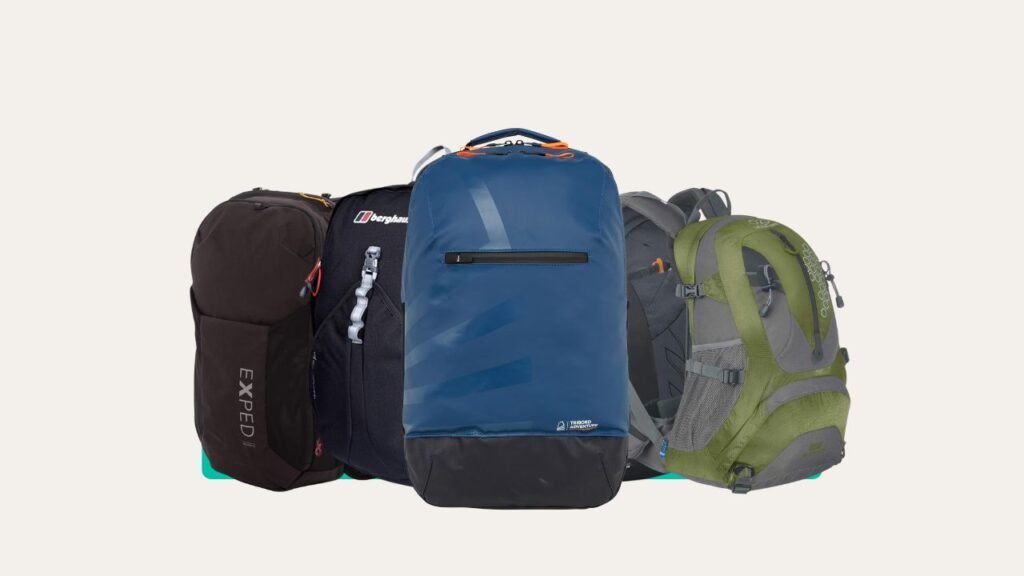
Let’s get one thing straight – your choice of daypack matters. More than you think. I’ve learned this the soggy way, dragging a sad excuse for a backpack across Dartmoor in sideways rain, straps slicing into my shoulders like cheese wire, and everything inside turning to soup, including my map. Not my finest hike.
Here’s the thing: UK trails don’t mess about. One minute it’s sunshine and birdsong, the next it’s wind, mud, and “where’s the path gone?” vibes. A proper daypack – one that fits right, stays dry, and actually has useful pockets – makes the difference between grinning at the summit and muttering all the way home.
So I’ve rounded up some cracking options for every type of hiker and budget. Whether you’re strolling in the Peaks or powering through a coastal path, there’s a pack here that’ll carry your kit without carrying you down. Let’s find your match.
How to Choose a Daypack?
Forget gear envy. What actually counts is comfort, volume, fit, and weather resistance. Most day hikers need something in the 18-30L range. Big enough for water, food, spare layers, a first aid kit, and – this is Britain – a proper waterproof jacket.
Look for a fit that matches your torso, with padded shoulder straps and a hip belt. This spreads the weight. If the shop lets you, load the daypack up; it should sit snug but not squeeze you. Women’s specific fits and adjustable backs make a difference if you’re not built like the pack designers.
Durability matters. Sharp grit, barbed wire, and brambles eat cheap fabric. Ripstop nylon or polyester is common, and some even have a lifetime guarantee. Features-wise, side bottle pockets, attachment loops for walking poles, and quick-access top pockets all add real-world convenience.
British weather is famously moody, so at least get a pack with a rain cover or water-resistant fabric. Don’t bother fussing over millions of pockets. You want organisation, not a lost-and-found.
Price is the last piece. There’s gold-standard kit out there, but also plenty under £50 that’ll last years.
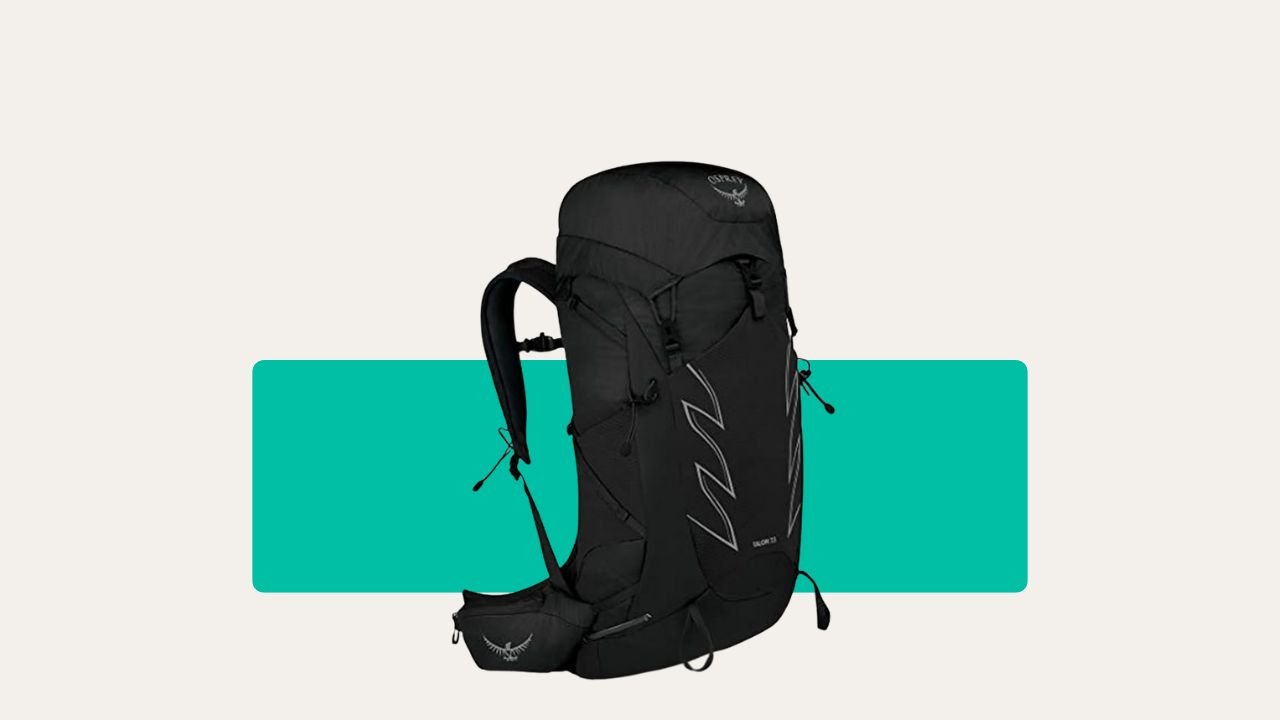
Best Overall Daypack: Osprey Talon 22
If you asked me for one rucksack for “almost every UK day hike”, I’d hand you the Osprey Talon 22. There’s a reason it keeps topping best daypack lists.
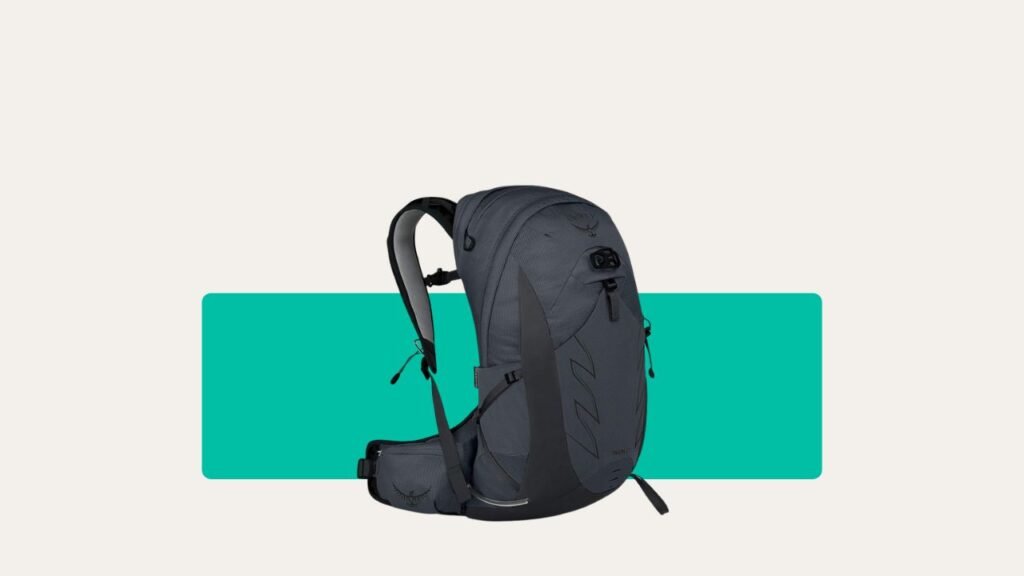
The Talon 22 is light (about 830g), hugs your back, and vents well with its AirScape panel – even on sweaty climbs. The hip belt and harness wrap nicely, so you’re not forever hitching it up. It’s just as happy carrying a camera and flask as it is a cycle helmet or trail poles (there are lashing points for both).
At 22 litres, it’s a perfect Goldilocks size. Enough for most British day-outs, but never bulky. I’ve crammed in waterproofs, a stove, lunch, and a fleece and still had room. The fabric shrugs off light showers well, though remember: no built-in rain cover. Osprey's kit is tough, and their Almighty Guarantee covers repairs. Hardly ever see one break.
Who’s it for? Pretty much every hiker, walker, or wildcamper, from the South Downs to Skye. If you want one pack for hiking, cycling, and even city trips, this nails it.
Top Value Daypacks
Not everyone wants or needs to fork out £100+. The good news is, the best hiking daypack in the UK is often the one that fits right and takes a beating.
Here are some wallet-friendly, battle-tested options:
Highlander Summit 25L
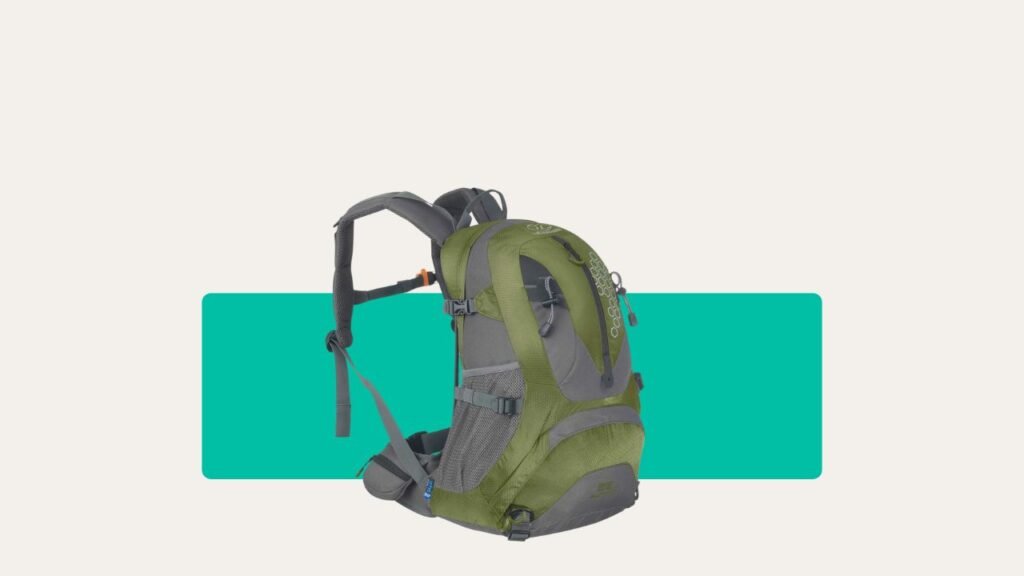
About £45-£55. This one’s survived Dartmoor winter storms and many a Scottish hill day. You get a rain cover, tough fabric, loads of real-world features (hip belt, stash pockets, and a divider for wet kit), and it’s covered by a lifetime guarantee. Yes, really. Great balance of comfort and storage for the price.
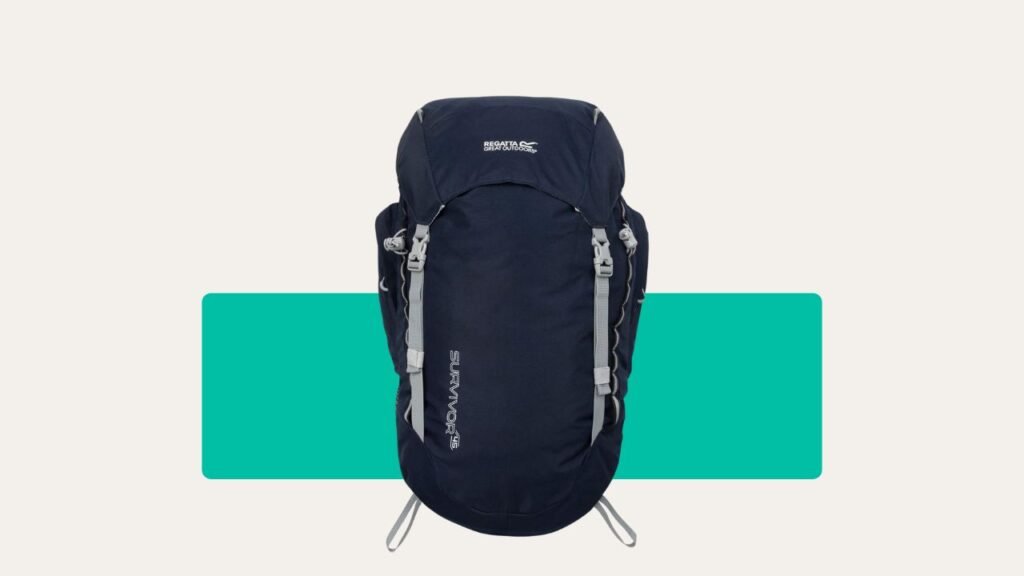
Regatta Survivor V4 25L
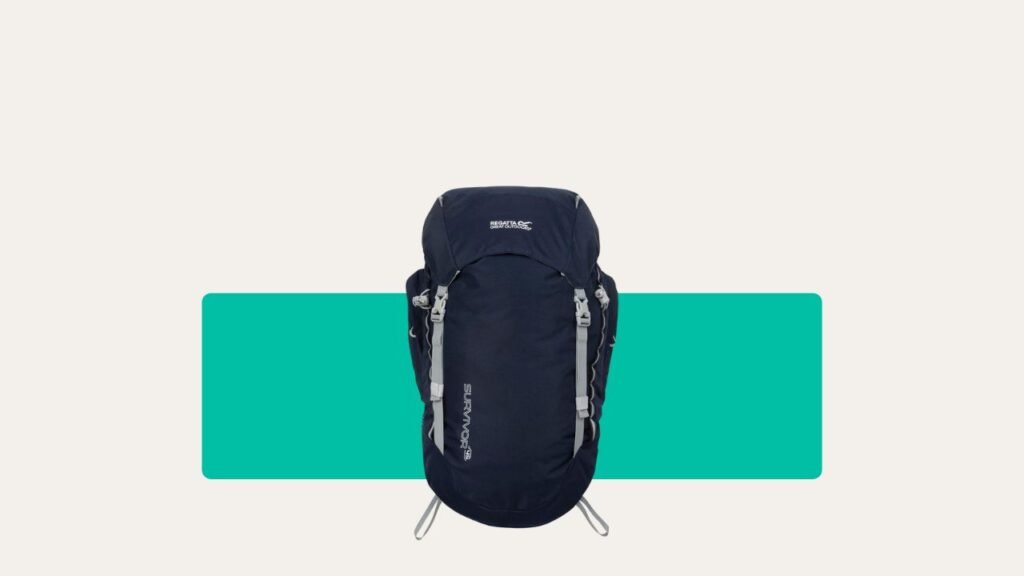
Often found below £35. Simple, robust, nothing daft. Up to the job for most walks, with decent support and handy walking pole holders. Skinny straps if you’re carrying serious weight, but for the school run or a day hike, it’s hard to argue at this price.
Berghaus TwentyFourSeven 25L
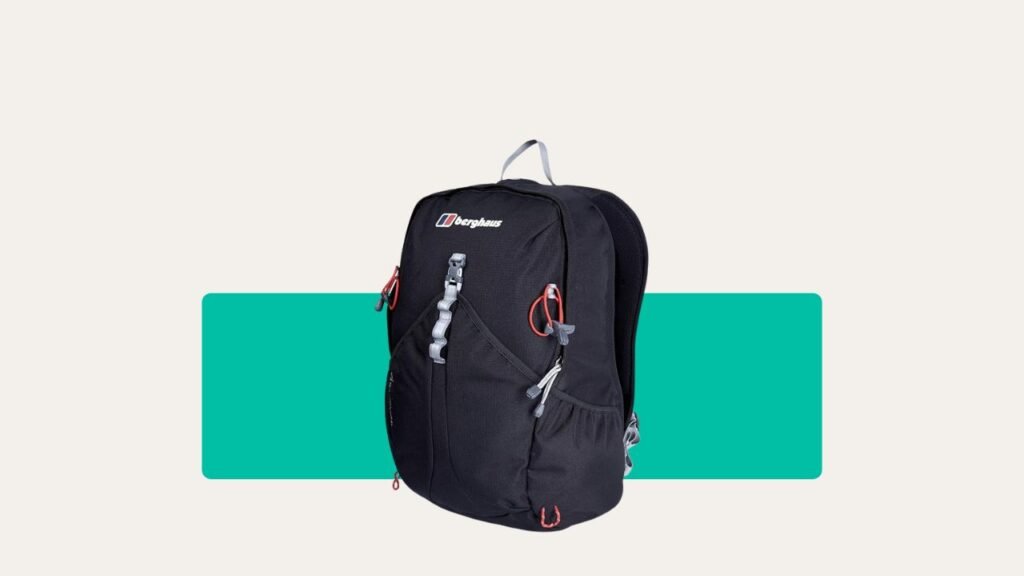
Light (480g), comfortable, and with proper outdoor features, though less support than pricier models. Ideal for dry-weather walks, commutes, or carrying as a just-in-case extra. No rain cover though.
Who are these for? Beginners, students, and anyone who likes a low-fuss, reliable pack for hill walks or commuting.
Ultralight Picks
If you’re the sort who only packs a cereal bar, gilet, and map, you’ll want an ultralight. Featherweight daypacks make sense for short summer walks or fastpacking, where every gram counts.
The Lowe Alpine AirZone Ultra 26 stands out for cutting weight without turning into a sack. Super-breathable back, weighs well under 800g, and surprisingly robust. Everything you truly need, nothing extra.
Lightest of the lot? Some specialist brands do packs under 400g, but you sacrifice comfort and storage. I’d only recommend those if you’re used to spartan kit and walking fast.
This daypack is great for: Long-distance walkers, runners, and anyone trying to keep it light for big mileage in a single day.
Best Pack for Heavy Loads
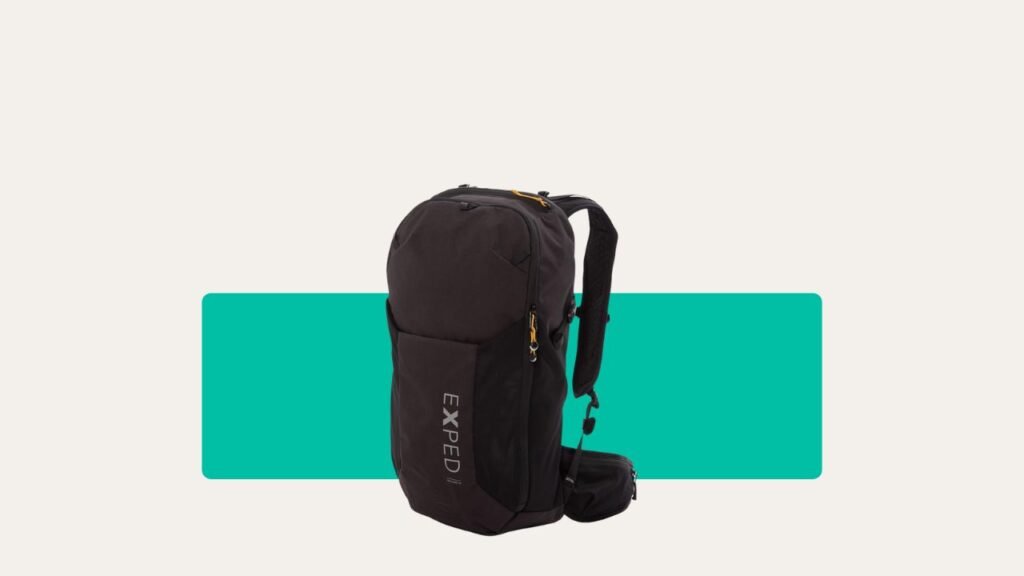
Sometimes a 22L bag just won’t cut it – family walks, group gear, or longer winter trips mean you’re carrying more. You need padding, decent structure, and a proper hip belt.
The Exped Skyline 30 ticks those boxes. At 30L and built around a steel internal frame, it handles weight without wobbling or chewing up your shoulders. Adjustable back length, meaty belt, and it comes with a rain cover for grim weather.
I once lugged a stove, thick fleece, and a roast chicken up Penny Fan with a Skyline. It’s heavier than minimalist options (about 1.42kg), but your back will thank you if you’ve got a lot to carry.
For serious day hikes with lots of kit or a child’s stuff in tow, it’s a proper workhorse.
Top Waterproof Daypack
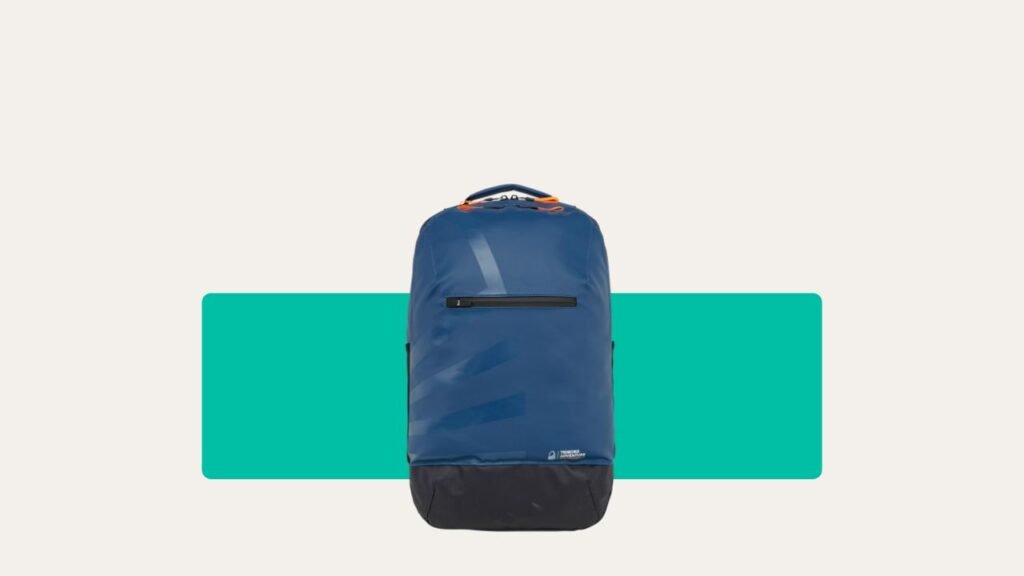
Forget “water-resistant” when you’re up against British rain. A real waterproof daypack saves your bacon when the heavens open.
The Tribord Waterproof 25L, originally made for sailing, does a cracking job for hiking. Proper waterproof fabric, taped zips, and everything inside stays dry even during a sideways Lake District squall. Not the most comfortable for all-day wear, but unbeatable against rain for an average walk.
For longer hikes, use a traditional pack with a dedicated rain cover and drybags inside for valuables. I learned that trick after a weekend in the Peak District when my supposedly “weatherproof” bag let water through every zip.
Best Multi-Use Daypack
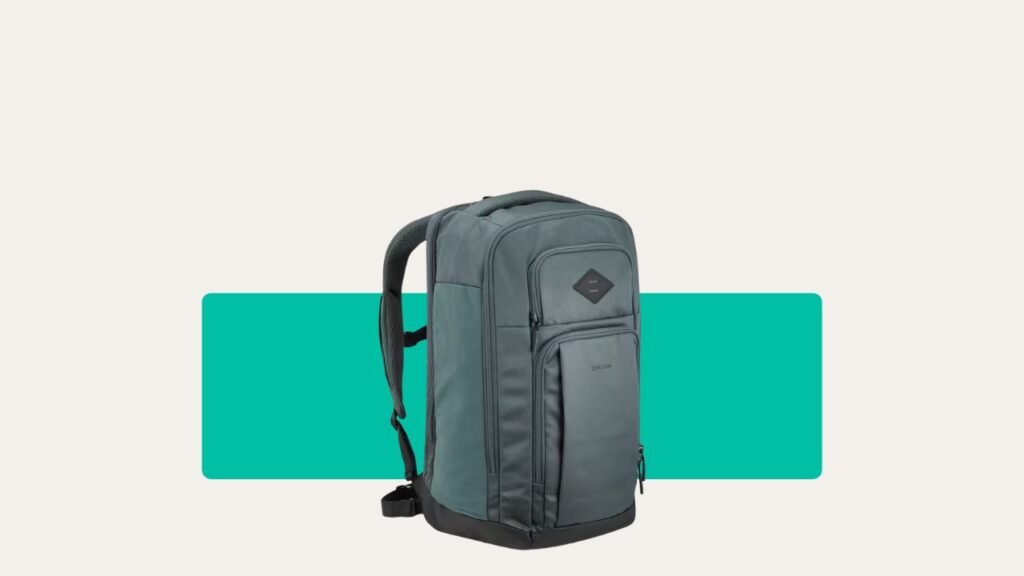
Want a daypack that does it all – hill, train, city, and bike? The Quechua NH Escape 500 (32L) is a Swiss Army knife. Loads of internal pockets, space for tech, a laptop sleeve, water bottle holders, and more. Big enough for travel or over-packing days, but light enough for walks.
It won’t win awards for trail comfort when full, but for combining hiking, commuting, and gym trips, it’s a safe bet.
Best Hiking Daypacks – Quick Reference Table
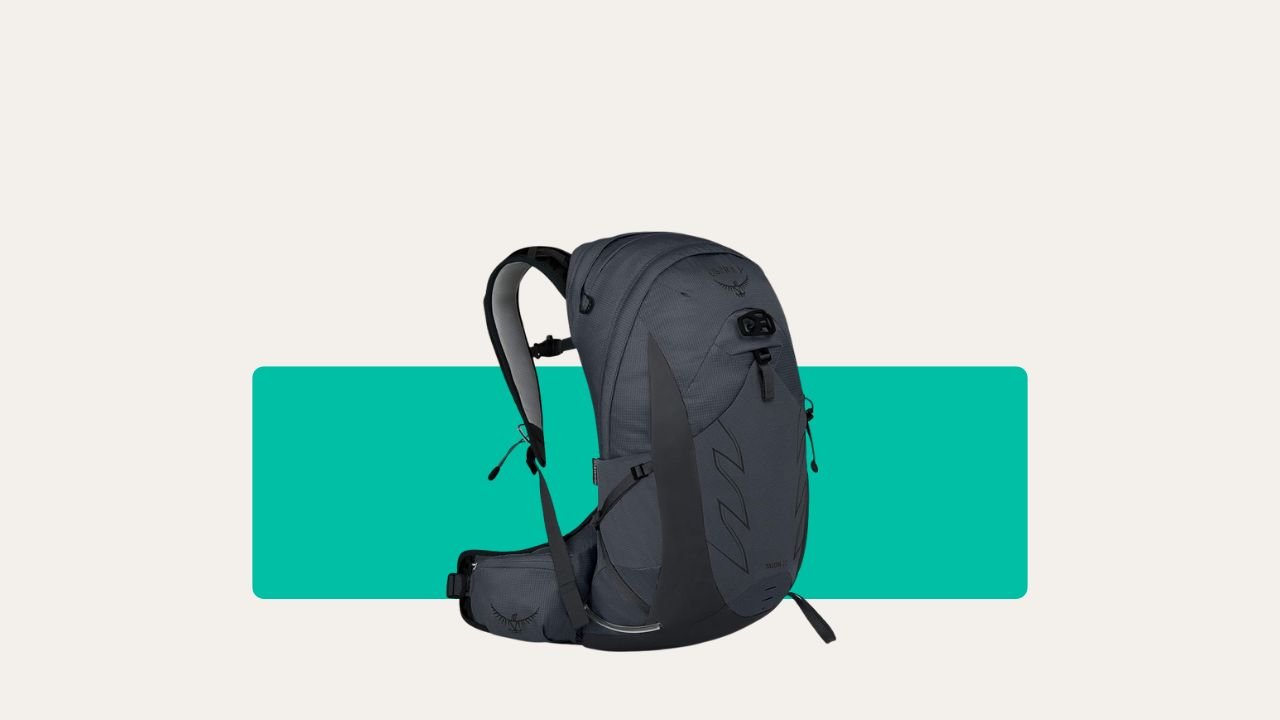
Osprey Talon 22
Weight: 830g
Capacity: 22L
Waterproof: No (water resistant)
Features: Unisex, adjustable
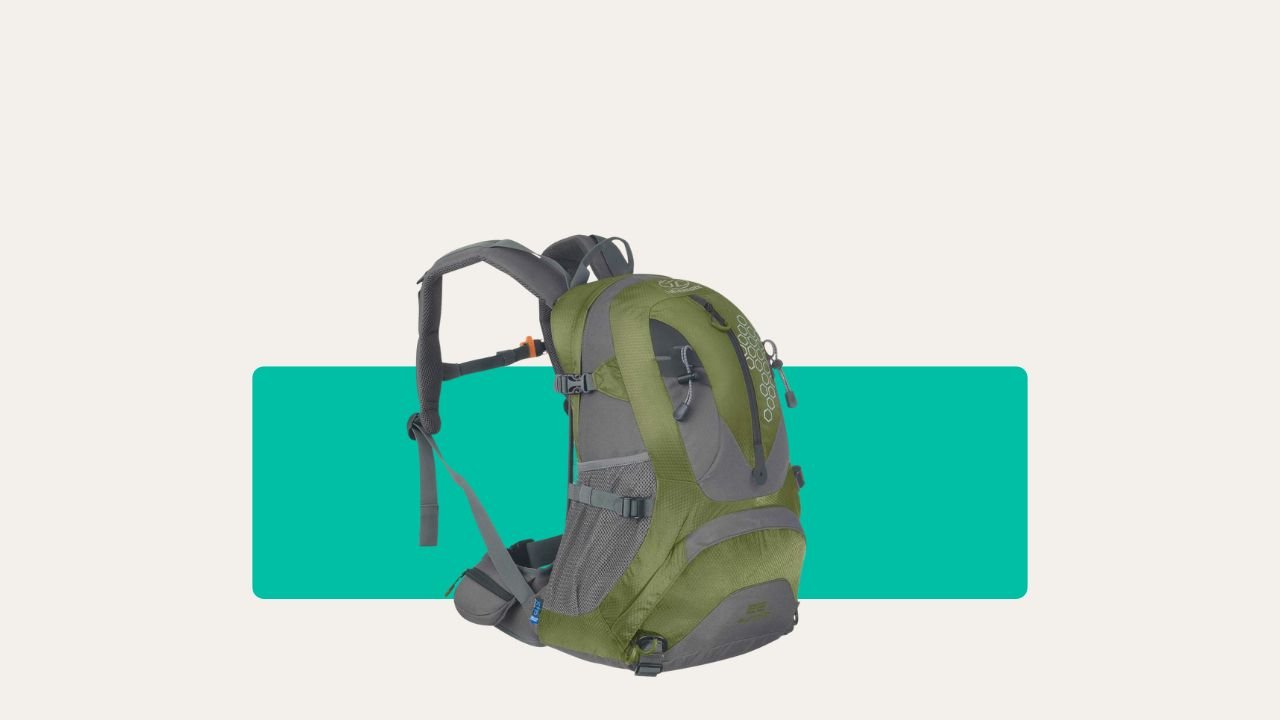
Highlander Summit 25
Weight: 890g
Capacity: 25L
Waterproof: Yes
Features: Unisex, adjustable
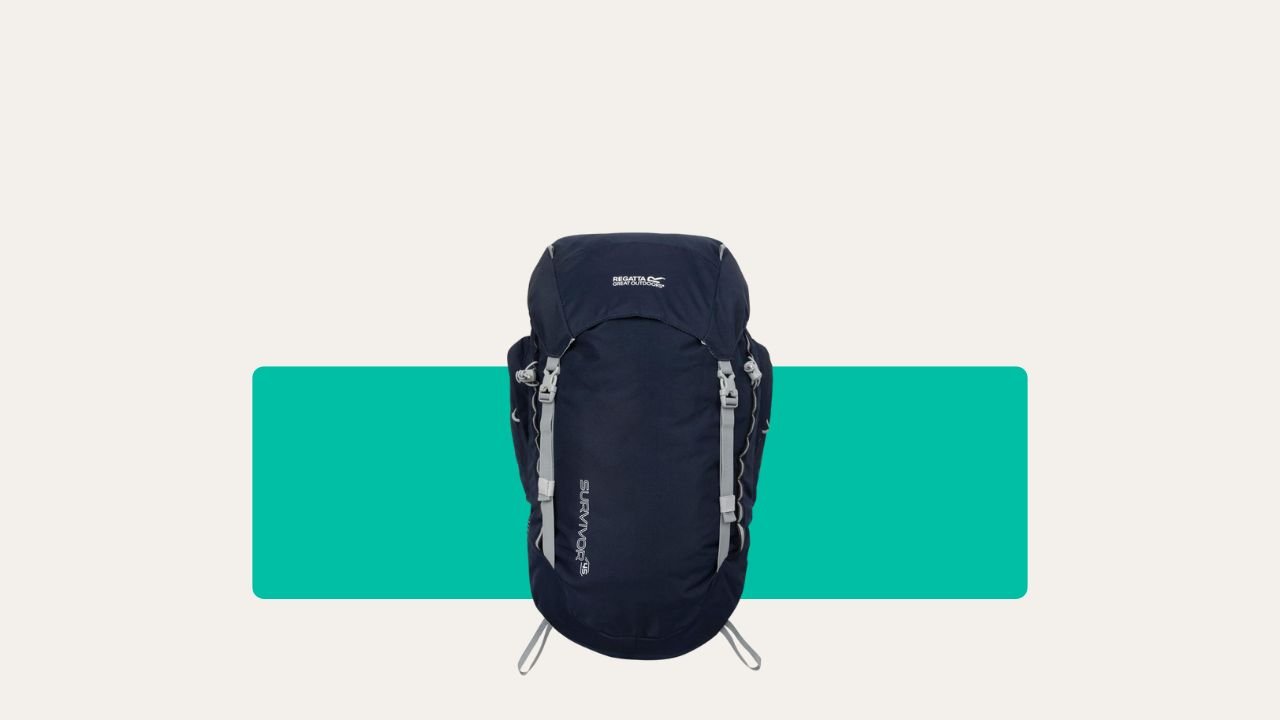
Regatta Survivor V4
Weight: 550g
Capacity: 25L
Waterproof: No
Features: Basic, unisex
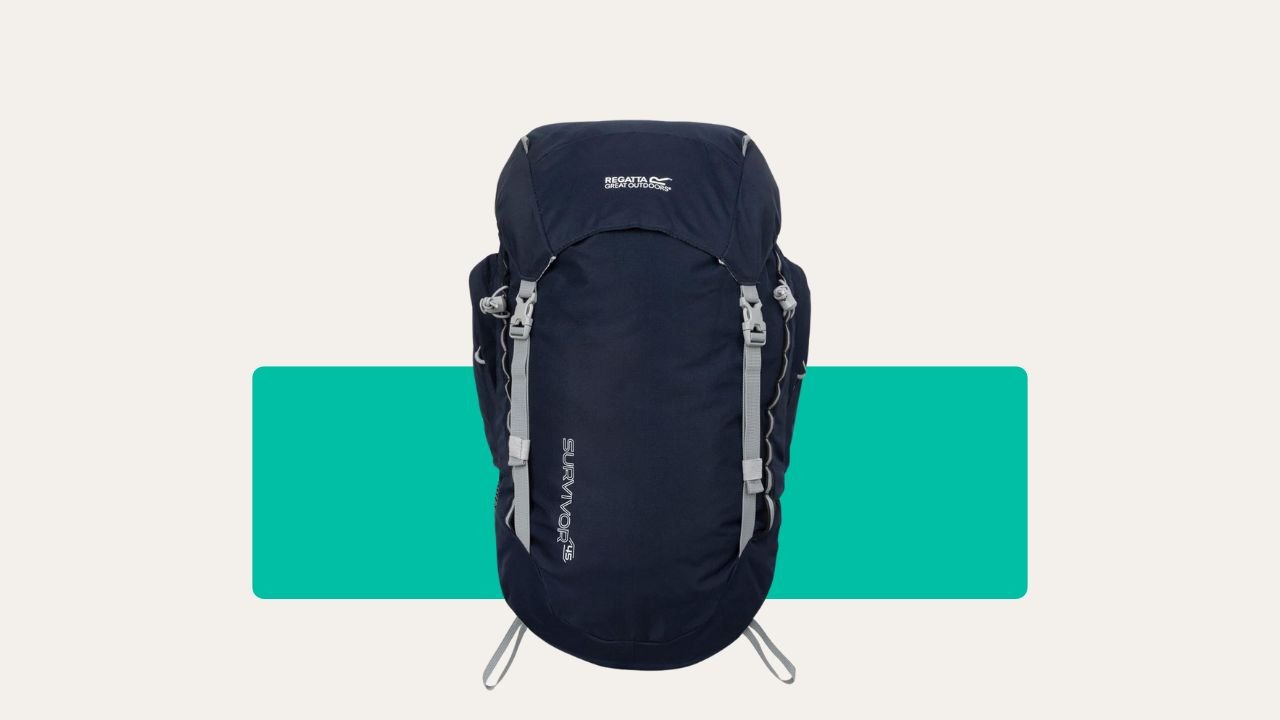
Lowe Alpine AirZone Ultra 26
Weight: 780g
Capacity: 26L
Waterproof: No
Features: Unisex, ventilated
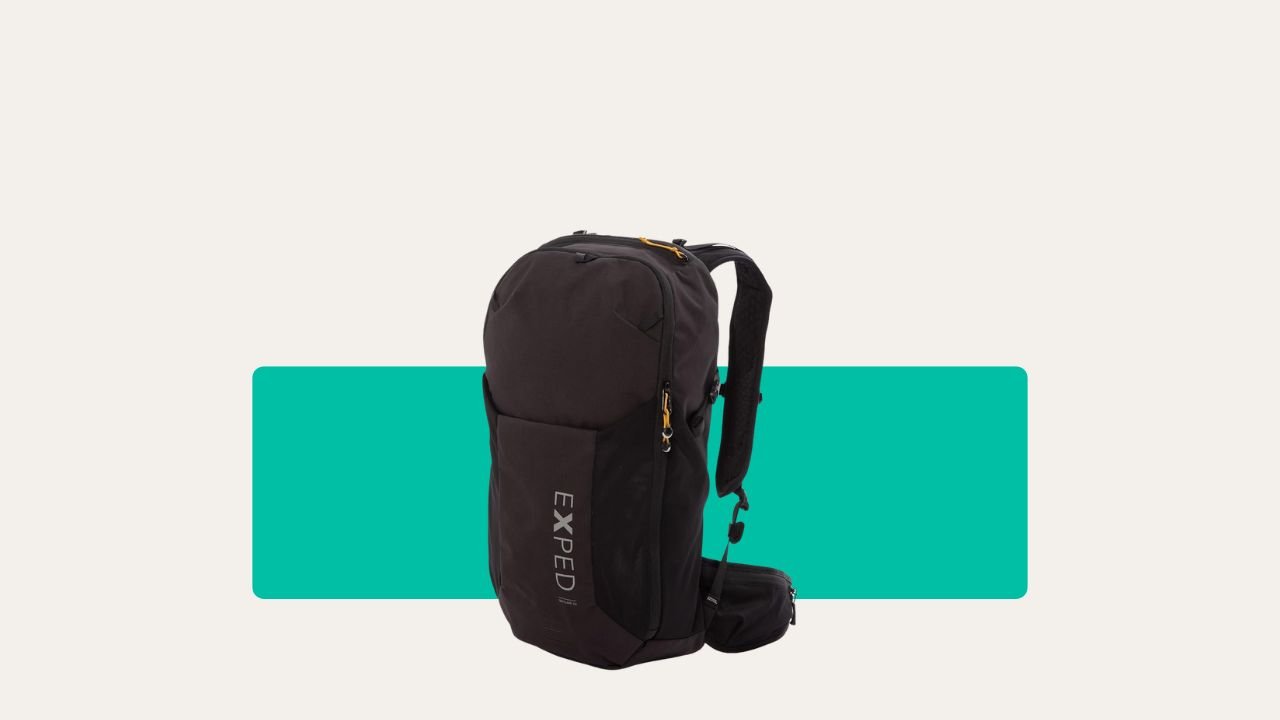
Exped Skyline 30
Weight: 1.42kg
Capacity: 30L
Waterproof: Yes
Features: Adjustable, two sizes
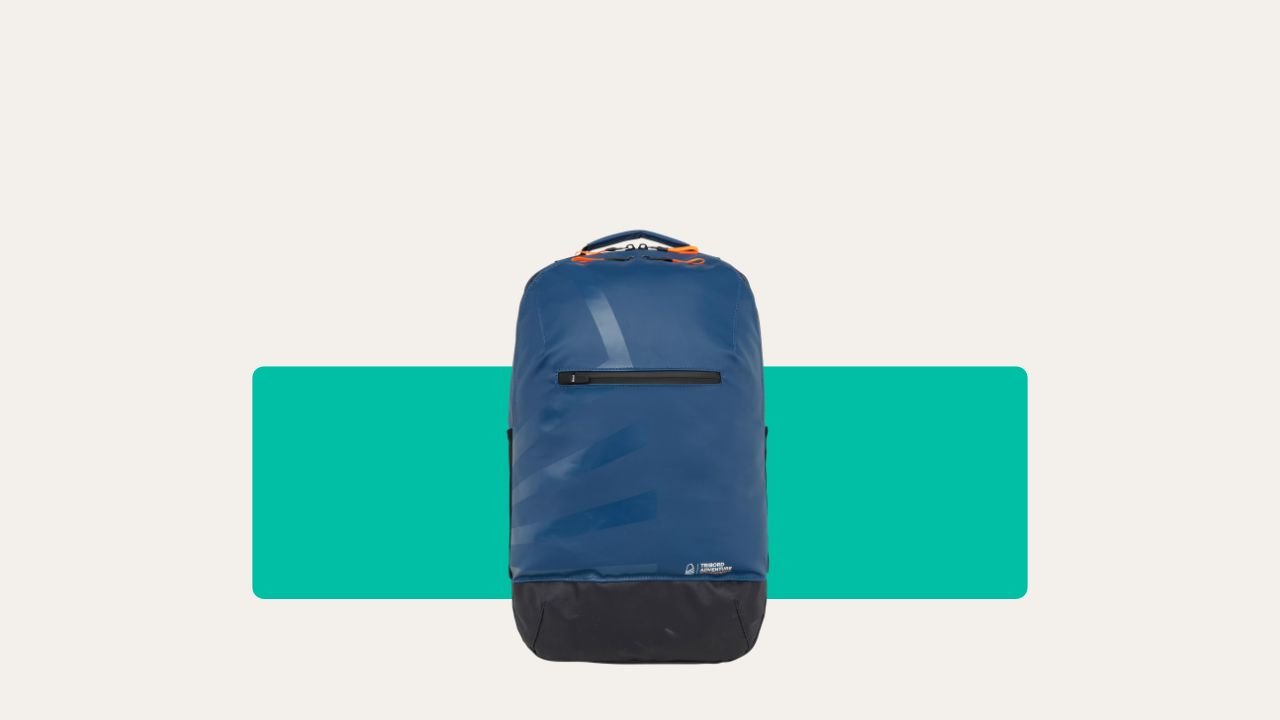
Tribord Waterproof 25
Weight: 410g
Capacity: 25L
Waterproof: Fully waterproof
Features: Basic fit
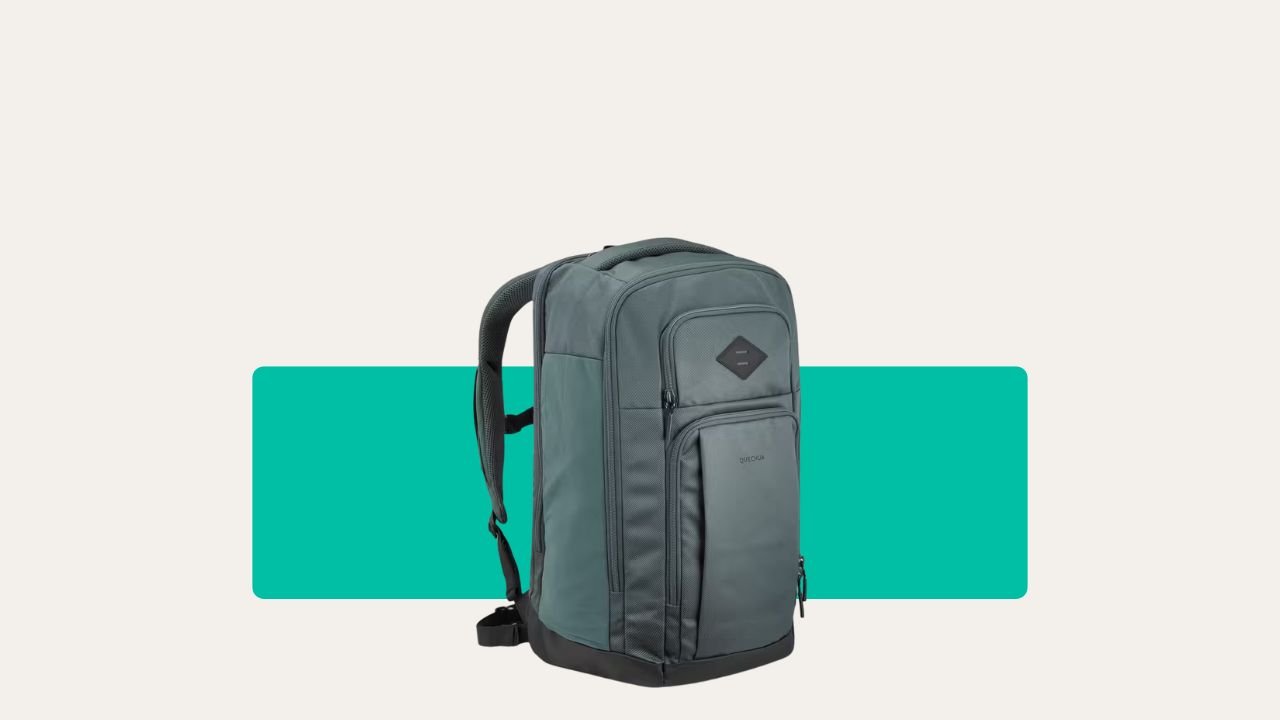
Quechua NH Escape 500
Weight: 1100g
Capacity: 32L
Waterproof: No
Features: Unisex
Testing and Review Process
I never trust a pack until I’ve dragged it through a week of rubbish weather and rough stiles. Every bag on this list has seen proper miles — from Scottish Munros to Cotswold rambles, in cloudbursts and sunshine.
We ask simple questions on the hill: Does it rub? Does the rain soak through? Can I find my sausage roll without faffing? Was it still comfy after eight hours or did it cut into my shoulders?
Most brands shout about features. We care more about what works when your hands are cold and you need a kit. If a pack made my back clammy or let in rain, it didn’t make the cut.
Final Tips for Picking the Right Pack
There are loads of “best hiking backpack UK” lists, but the best is the one that’s comfortable, keeps your kit dry, and doesn’t drive you mad rummaging for snacks.
Try before you buy if you can. Stuff it full, walk round the shop, see if it wobbles or pinches. Think about what you actually carry – most of us fill whatever space we have.
Don’t skimp on basics, but don’t feel like you need the latest “tech”. A good daypack should last you years of walks, camps, and bad weather. My best tip? If in doubt, go simple, sturdy, and weather-ready. Your back (and your sandwiches) will thank you.
Still not sure? Ask an outdoorsy mate. We’ve all got a story about the pack that let us down – and the one that never did.
Happy hiking. And if you see a hiker on Kinder Scout rummaging for his half-melted Mars Bar, that’s probably me.
Common Questions on Daypacks
What size daypack is best?
For most UK hikes, 18-25L is goldilocks. Enough for layers, food, water, and bits and bobs. Shorter walks or city trips? Go under 20L. Loaded mountain day? Push towards 30L.
Do I need a rain cover?
If your pack isn’t waterproof (most aren’t), get a rain cover or line it with dry bags. In Britain, it could rain any time. Dry sandwiches are worth the faff.
How do I keep my daypack comfy?
Pack heavy bits close to your back. Adjust the straps so it sits high, not slumping on your bum. Hip belts and chest straps help, especially on longer days. If it’s digging in — it’s not adjusted right (or it’s time to swap packs).
How do I look after my pack?
Drop gear at the door, not in the mud. Dry it out after wet walks. Clean it with a damp cloth – not the washing machine. Check zips and buckles occasionally.