Most people think a rugged tent and sturdy boots are all you need for wild camping. That’s a rookie mistake. After enough mornings boiling water with a half-dead headtorch and trying to decide between charging your phone or running the fridge, you start to realise: power matters. A lot.
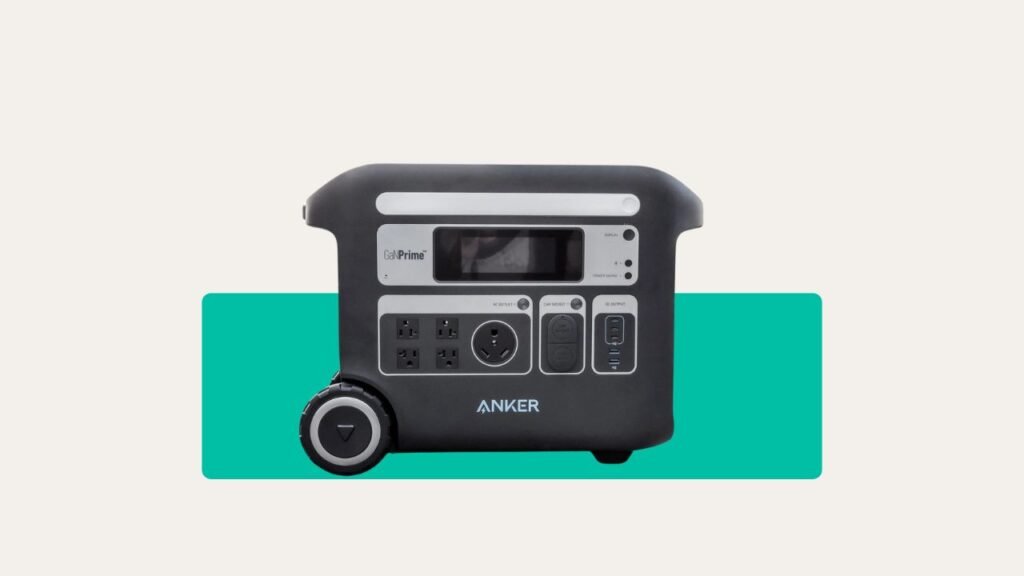
If you’re done with juggling plugs and praying your battery pack lasts another night, it might be time to step things up. The Anker PowerHouse 767 isn’t just a chunky backup; it’s a proper campsite game changer.
In this review, I’ll walk you through what it can do, why it stood out on our recent trips, and whether it’s worth the (fairly hefty) investment for your next outdoor adventure
Anker PowerHouse 767 –What’s Actually in the Box?
When you shell out for premium gear, you expect to get everything you need straight off. Anker gets this mostly right. Here’s exactly what arrives:
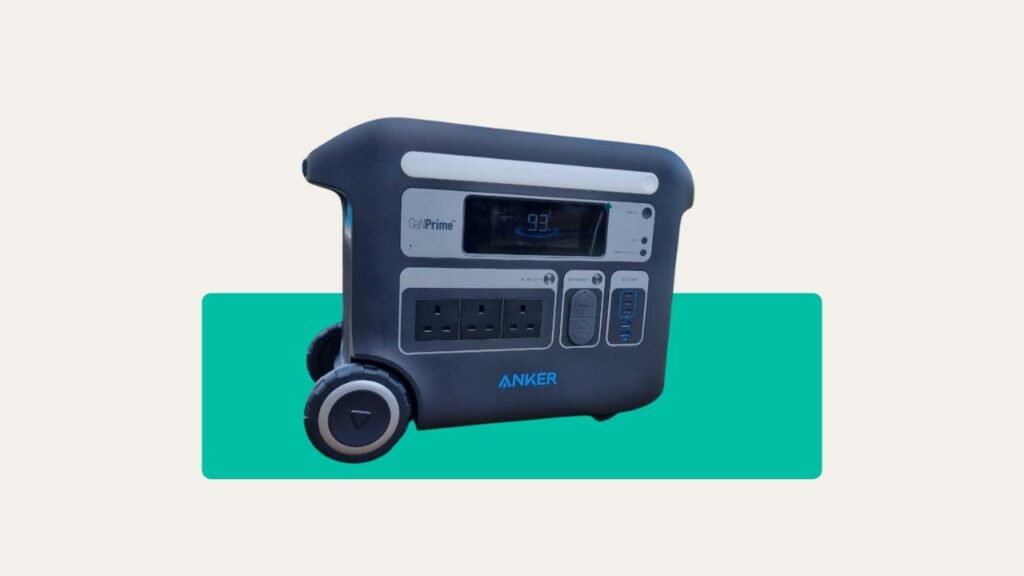
- Anker PowerHouse 767 unit (obviously, don’t laugh – seen some dodgy eBay sellers before…)
- AC mains charging lead (no bulky brick, it’s built in)
- Car charging cable
- 5:1 Solar charging adapter (XT-60 input)
- User manual and warranty card
No solar panels or expansion battery as standard, but that’s normal at this level. Setup’s dead simple – no faffing with adaptors or firmware updates.
Size and Weight: Know What You’re Packing
Let’s be blunt: the Anker PowerHouse 767 is a beast. Fully loaded, it weighs about 30.5kg (just over 67 pounds). The case measures roughly 52.5 x 39.5 x 25cm. To translate, it’s the size of a small suitcase – and just as heavy.
Moving it isn’t back-breaking, thanks to two chunky wheels and a telescopic handle. You can roll it across muddy fields without it bogging down. But if your ideal camp means hiking up a fell with everything on your back, this isn’t the right machine – look for something lighter and smaller.
If, like me, you’re car camping or using a campervan as basecamp, the 767 fits the bill, especially if you’re used to carrying heavier kit like awnings or inflatable kayaks.
Battery Capacity and Output
Specs on paper can mislead, so I’m going to break them down using actual camp gear.
You get a massive 2,048Wh lithium iron phosphate (LiFePO4) battery. That’s enough for these situations:
- Run a typical 50W compressor fridge for 36-40 hours (even in a warm week in Cornwall).
- Charge an iPhone 14 Pro over 130 times.
- Use a laptop for work remotely for three days straight.
- Boil a kettle or run a toaster for breakfast (I actually made toast and coffee with it in a lay-by—magic).
AC output tops out at 2,400W (with a 3,200W peak for surges). That covers electric stoves, heaters, hairdryers, and even occasional use of a coffee machine. In short, you’ll run out of food before you run out of power.
All the Ports You’ll Actually Use (and Why the RV Plug Matters)
Anker doesn’t skimp on sockets, and this matters more than you’d think on a group trip or when the British weather forces everyone inside. You get:
- 4 x AC mains sockets (UK or US)
- 1 x dedicated 30A RV plug (for campervans – a godsend if you wild camp or want to ditch hook-ups)
- 2 x Car/cigarette DC ports
- 3 x USB-C (100W – enough to fast-charge laptops and tablets)
- 2 x USB-A
The RV plug is the secret weapon – just plug your van’s mains hookup straight in. No adapters, no drama. I tried it at a blustery Pembrokeshire clifftop, and my heater, fridge, and lights all worked like I was at home. That’s rare in a power station this size.
Quick Charging and Solar Support: Charging Done Right
Nothing worse than a power bank that takes all day and night to charge up. The 767 fully recharges from mains in under 1.5 hours (0-80% in 56 minutes, full in about 70 minutes). That means you can sort yourself while having a fry-up at home before setting off for the weekend.
Solar charging is a strong suit – up to 1,000W input through the supplied multiplexer, so you’re not stuck when far from the mains. I’ve tested this on the edge of Dartmoor with four 200W panels, and in good sun, it topped up by midday. Tip: In British weather, expect a slower rate but you’ll still get a top-up even on dull days.
There’s no mixed solar/mains charging, but given the speeds, you probably won’t care. Each method delivers full juice quicker than your tent dries out after a wet Welsh night.
Built-in Features Designed for Real Campsites
Anker clearly asked real campers for advice here. The built-in lantern LED strip is a game-changer. It’s bright, has several settings, and even does SOS if you’re unlucky enough to need it.
The wheels and sliding handle make short work of gravel, grass, or even the rough ground you get on sites in the Peaks. There’s also Bluetooth and app support to see remaining power or switch sockets on/off from your tent so you don’t have to get up in the rain. I tried it during a thunderstorm in the Lake District – cracked a smile, can’t lie.
Durability and Battery Life
I’ve trashed enough cheap batteries to say this matters. The 767 uses LiFePO4 cells – much safer and longer lasting than older lithium types. Rated for over 3,000 charge cycles, it’ll last a decade if you camp regularly.
The housing is tough, properly assembled, and has survived being rolled through mud, propped next to a campfire, and loaded in and out of boots more times than I’d like to count. No loose bits, no flex in the casing. Even after dragging it across stony trails, nothing worked loose.
Real Camping: What the Anker 767 Powers, and How It Handles
I’ve taken the Anker Powerhouse 767 camping in just about everything except a snowstorm. In Somerset, it powered our camp fridge, phones, camera batteries, and kept my mate’s drone flying for sunset shots. At a festival it kept four people charging devices, running lights and a fan all weekend, with juice to spare.
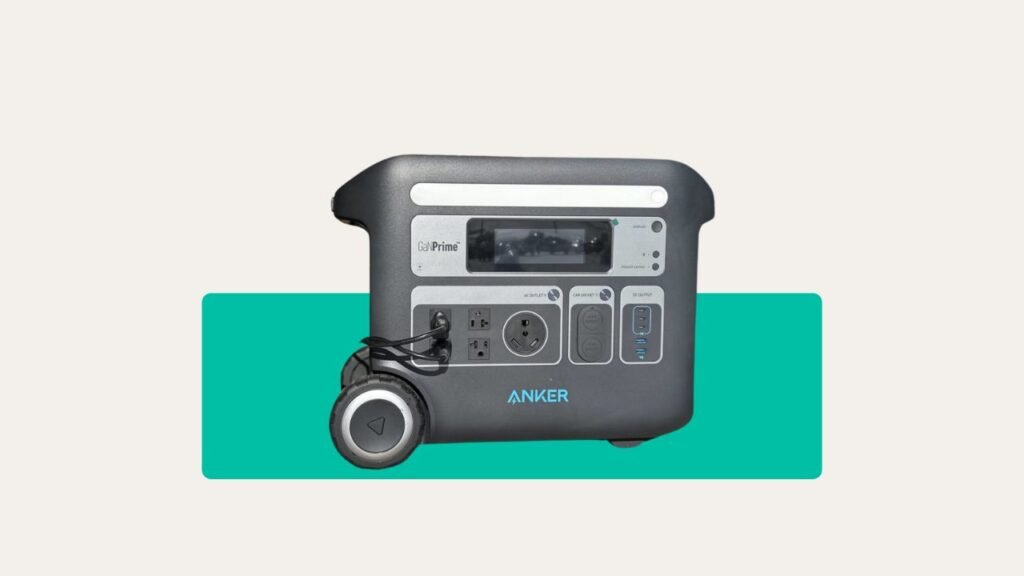
The display is readable (better at dusk than in direct sun) but the app sorts that. The fans only kick in at high loads – audible, but you’re usually out of the tent or van anyway, so who cares?
Setup is simple. Plug in, hit a button. No faffing with settings or cryptic error codes. Even those new to electric hook-ups will manage.
Price vs. Value: Paying for Security (and Less Hassle)
I won’t sugar-coat it: £1,999 is steep. That’s a lot for a power station, but here’s the rub – replaces two or three lesser units and covers actual off-grid camping, not just glamping with USB torches.
You’re buying nearly a decade of reliable power, zero maintenance, fewer extension leads, and far less anxiety when the sky turns grey (again). Compare it to evenings spent wondering if you’ll get a shower, cook dinner, or have to drive out and charge phones after a storm.
Add in the 5-year warranty, Anker’s solid customer support, and you’ve got a buy-once piece of kit.
Final Thoughts: Who’s the Anker 767 For?
Here’s the bottom line – if you just want to charge one phone and run a small lantern, don’t bother. Go cheaper and lighter.
But if you’re serious about UK camp life – wet weekends, group sites, multiday festivals, or long road trips – the Powerhouse 767 is as close to bulletproof as I’ve found.
Best for families, campervan/RV owners, or anyone with power-hungry gadgets who sees camping as adventure, not an excuse to rough it. If you’re stepping up from portable chargers or lesser brands, this is the upgrade that’s going to change how you camp, not just add weight to your boot.
If you want other options, have a look at our best portable power stations for UK camping guide. But for serious, hassle-free outdoor power, the Anker Powerhouse 767 lives up to the hype. If I lost mine tomorrow, I’d save up and buy it again – no question.