You don’t need the biggest, bulkiest boots to take on Britain’s hills. But you do need a pair that can handle soaked trails, rocky scrambles, and long miles without shredding your feet.
I’ve made the mistake – cheap boots, wet toes, and blisters the size of pound coins after a rainy Lake District loop. That’s why finding the right hiking boots is less about brand hype and more about comfort, grip, and proper waterproofing.
In this guide, I’ll walk you through the best hiking boots in the UK – ones that keep your feet dry, stable, and happy, no matter how soggy the path gets.
Key Things to Look for When Buying the Best Hiking Boots in the UK
Before you fork out cash or head up your first peak, here’s what you really need to know. A wrong pair of boots can ruin a good day fast – trust me, I’ve hobbled through the Lakes with wet feet and regrets.
- Proper Waterproofing: Forget anything labelled “shower-resistant.” You want Gore-Tex or a trusted waterproof membrane. It’s the difference between warm feet and wading in your own misery by lunchtime.
- Grip You Can Count On: Deep lugs and a rugged outsole (Vibram soles are top-tier) mean you won’t be skidding down muddy paths or wet rocks. It’s worth every penny.
- All-Day Support: Think padded ankle collars, firm heel cups, and proper midsoles. That combo stops sore arches and rolled ankles from cutting your hike short.
- Fit Over Fancy Features: Always try them on with your usual walking socks. A tiny pinch in-store turns into full-on blisters by mile five.
- Weight vs. Purpose: Going lightweight is great for most day hikes, but if you’re hauling gear on rough ground, a stiffer, heavier boot might serve you better.
- Built to Last: Reinforced toe caps, tight stitching, and replaceable insoles all matter more than flashy logos.
Don’t get swayed by shiny marketing. Your feet will tell you more than any label ever could.
Best Waterproof Walking Boots UK
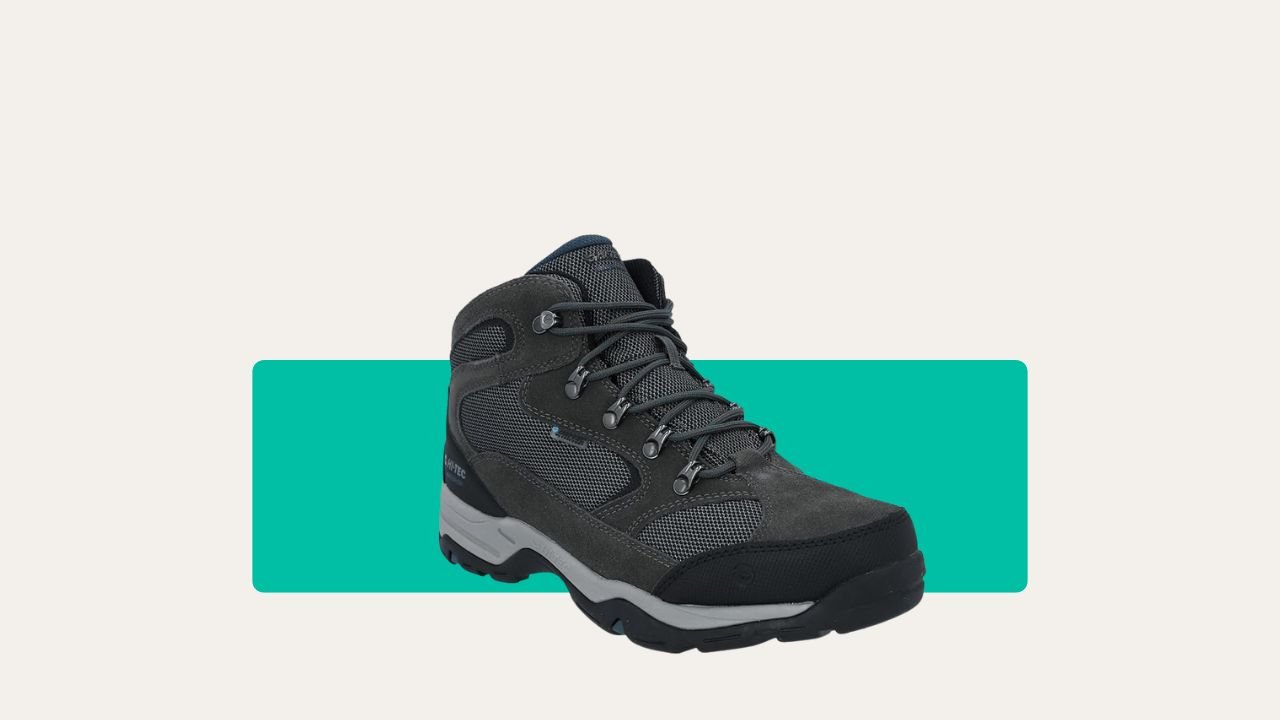
Hi-Tec Storm Wide Waterproof Light Hiking Boots
Waterproofing: Dri-Tec membrane
Upper Material: Suede & mesh
Outsole / Grip: Multi-directional rubber outsole
Cushioning & Comfort: Compression-moulded EVA midsole + removable moisture-wicking insole
Best For: Budget-friendly hikers with average-width feet needing breathable waterproof boots
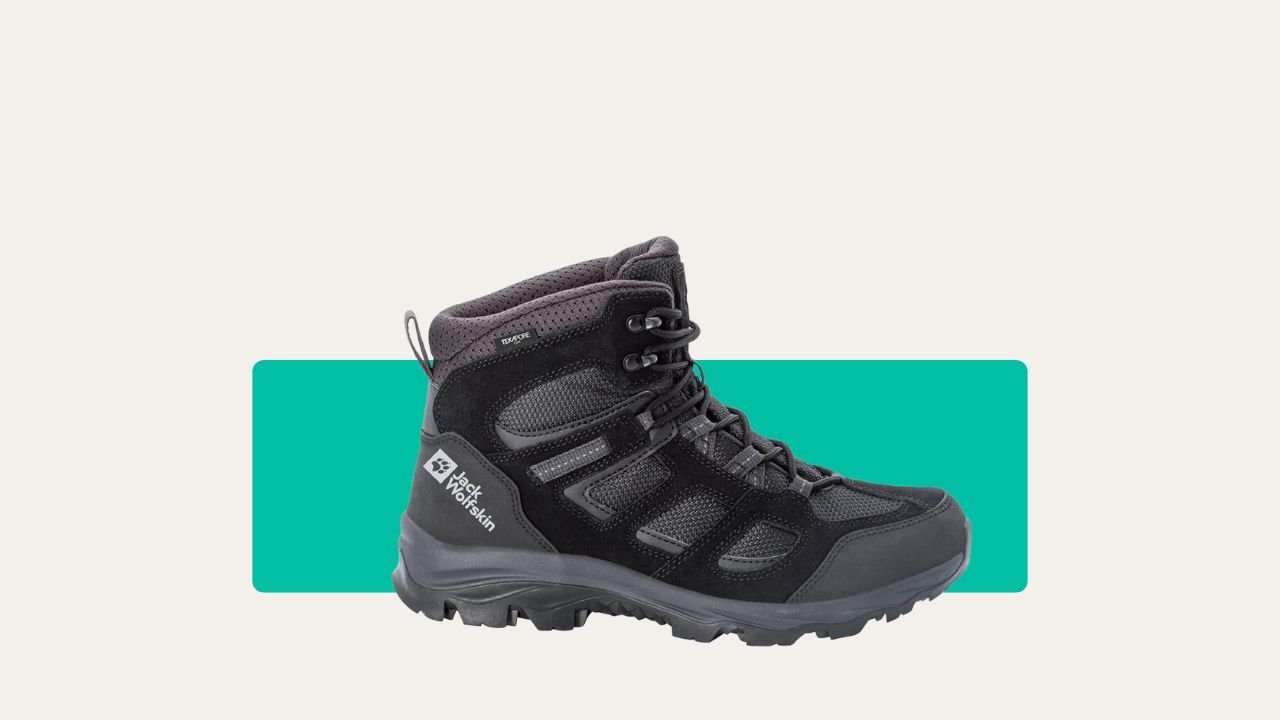
Jack Wolfskin Vojo III Mid Hiking Boots
Waterproofing: Texapore waterproof and breathable lining
Upper Material: Suede leather & synthetic mix
Outsole / Grip: Sure-Grip aggressive tread outsole
Cushioning & Comfort: Snug fit with decent ankle support, reinforced toe and heel caps
Best For: Casual hikers and weekend walkers tackling muddy and wet trails
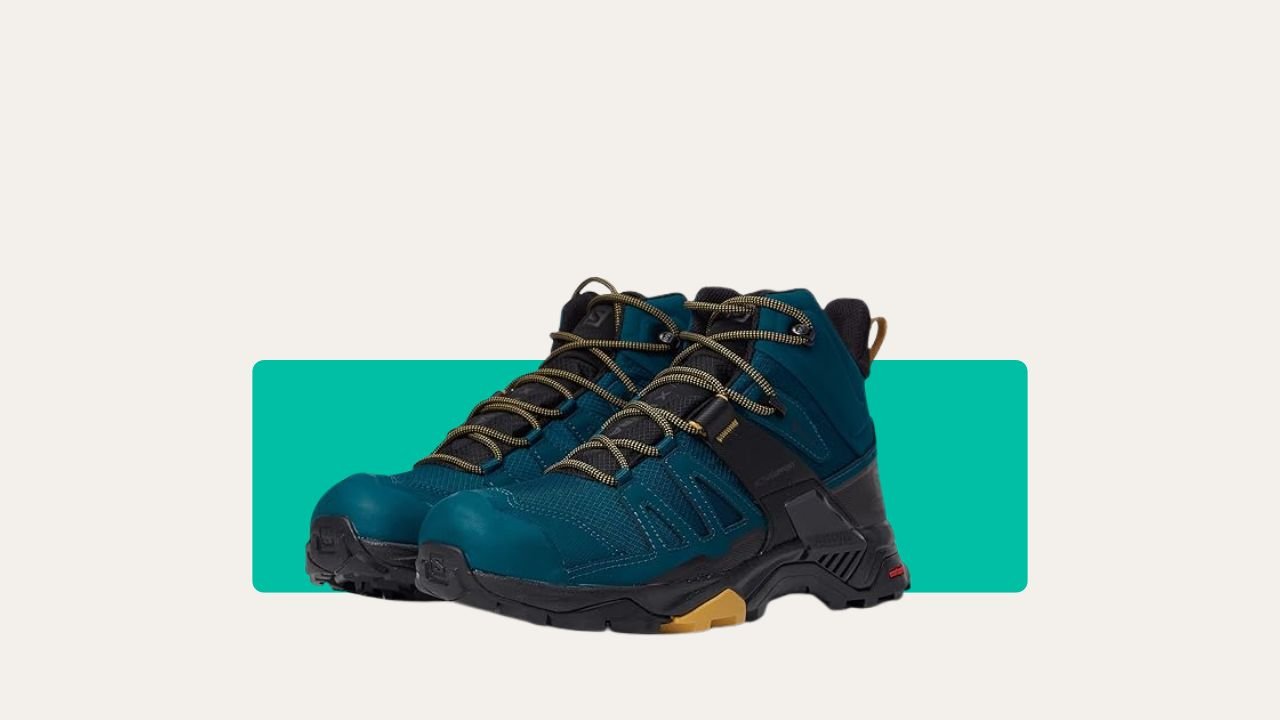
Salomon X Ultra 4 Mid GTX Hiking Boots
Waterproofing: Gore-Tex waterproof and breathable membrane
Upper Material: Durable synthetic fabric
Outsole / Grip: Contagrip outsole with chevron lugs
Cushioning & Comfort: Advanced chassis for stability, gusseted tongue, supportive ankle articulation
Best For: Technical trails, wet descents, and hikers who prefer speed and agility
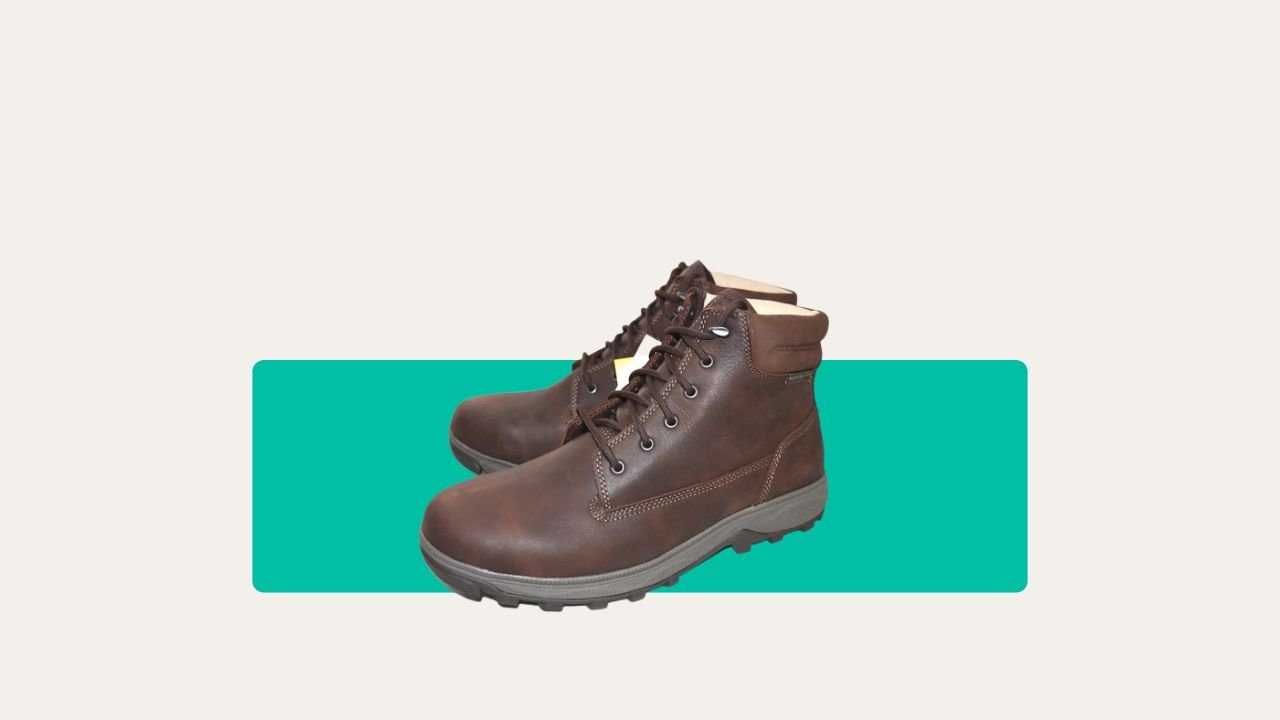
Northcape Granite Waterproof Hiking Boots
Waterproofing: 4-layer moisture-wicking and abrasion-resistant lining + hydrophobic-treated Pittards leather
Upper Material: Hydrophobic Pittards treated leather
Outsole / Grip: Vibram XS Trek outsole for reliable traction
Cushioning & Comfort: Lightweight Phylon + EVA midsole, padded collar, bootie-style supportive fit
Best For: Long technical hikes and wet, rocky British terrain
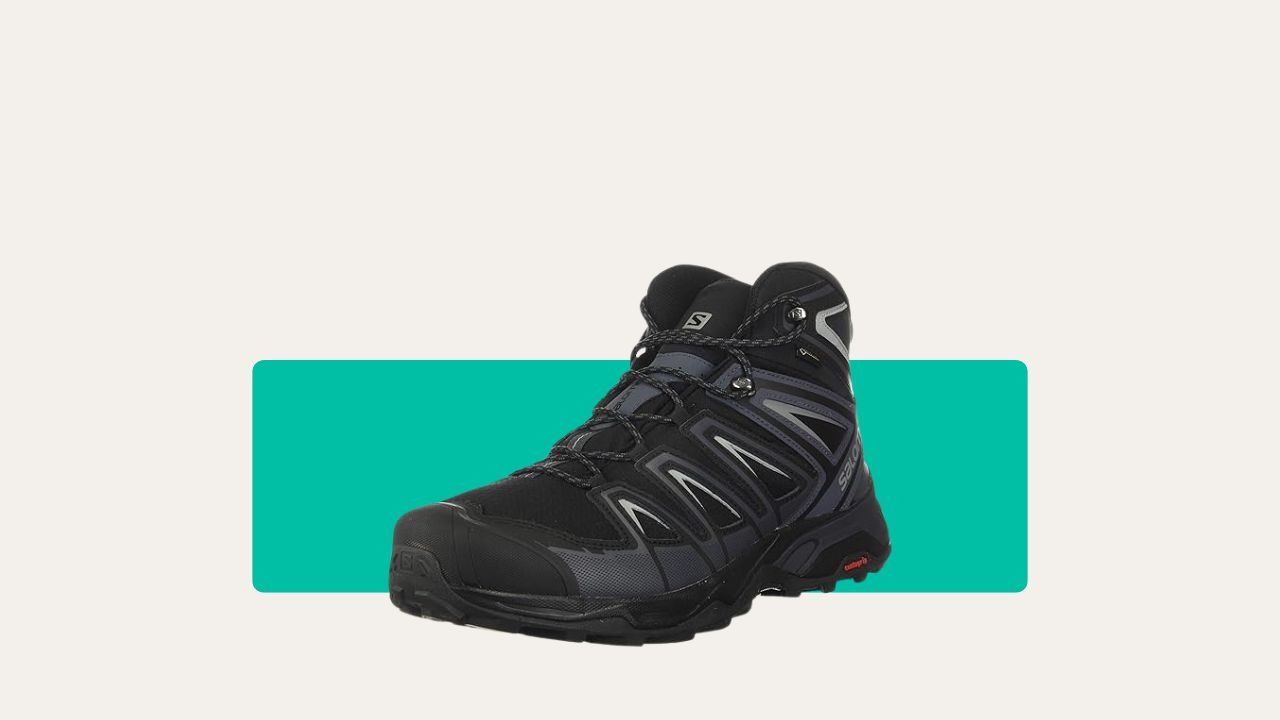
Salomon X Ultra Mid 3 GTX Hiking Boots
Waterproofing: Gore-Tex waterproof lining
Upper Material: Lightweight synthetic
Outsole / Grip: Contagrip outsole
Cushioning & Comfort: Sensifit cradle system, OrthoLite footbed, EVA cushioning, Advanced Chassis
Best For: Steep descents, rocky ground, and hikers needing precision fit and stability
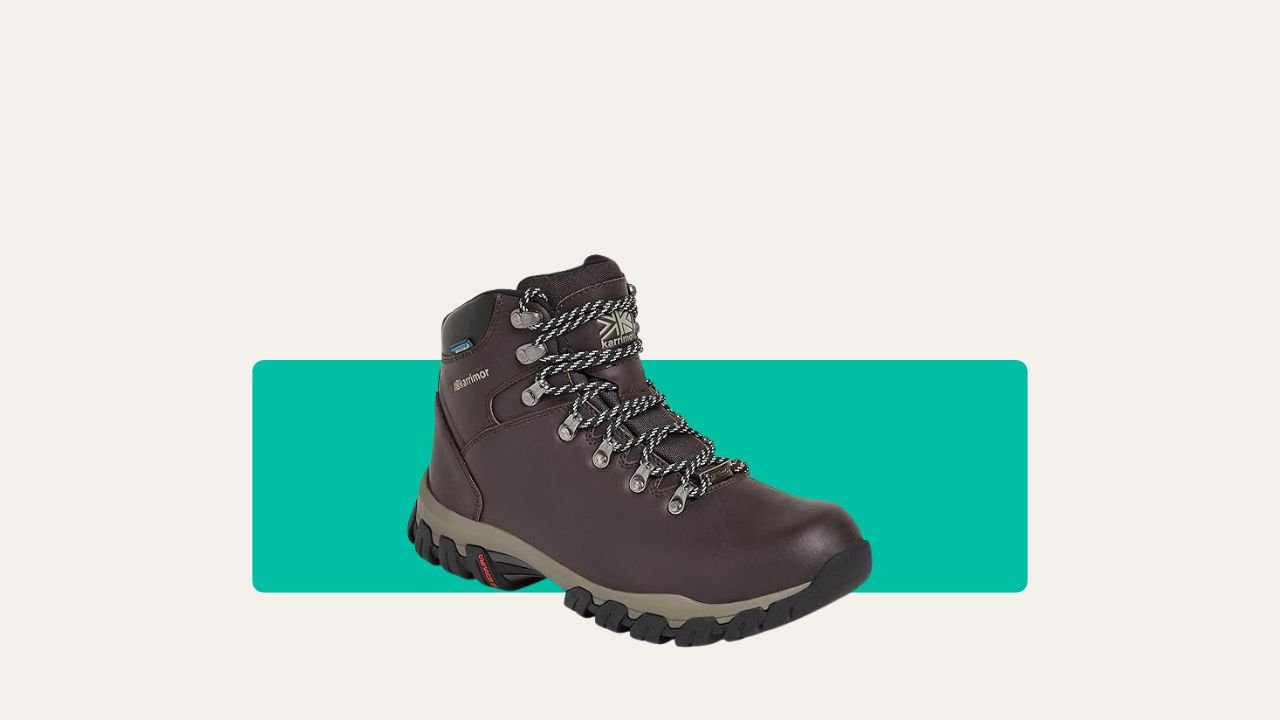
Karrimor Mendip 3 Leather Hiking Boots
Waterproofing: Weathertite waterproof & windproof membrane
Upper Material: Rugged crazy-horse leather upper
Outsole / Grip: Dynagrip outsole for muddy and wet tracks
Cushioning & Comfort: Phylon + compressed EVA midsole for joint protection
Best For: Budget-conscious hikers and UK countryside trekking in mixed conditions
1. Hi-Tec Men’s Storm Wide Waterproof Light Hiking Boots
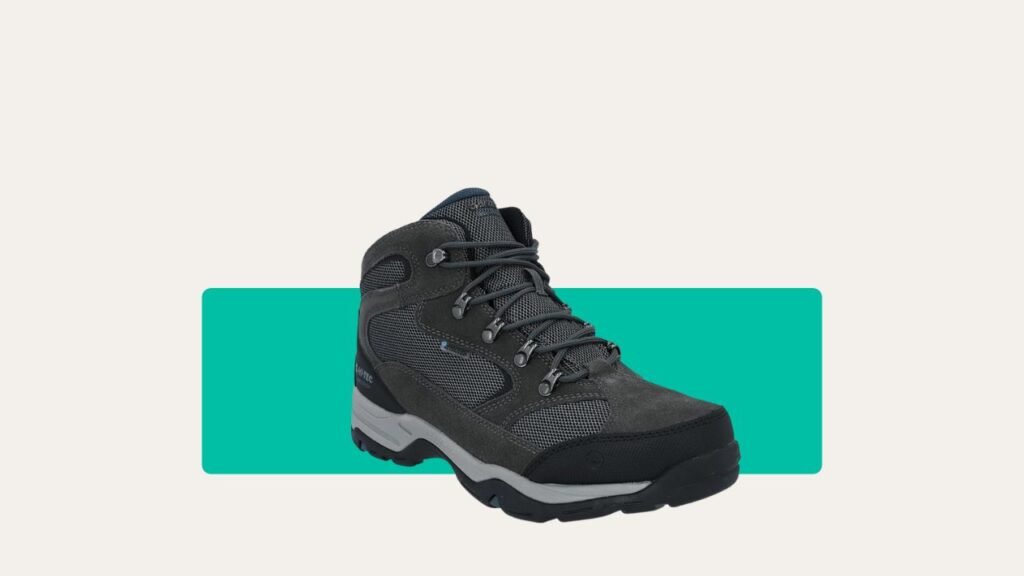
If you’ve got wider feet and you’re after comfort and practicality without spending a fortune, the Hi-Tec Storm boots might be your new go-to. These boots combine Dri-Tec waterproofing with breathable materials to keep your feet dry and fresh – ideal for British drizzle and muddy paths.
The suede and mesh upper feels soft but sturdy, and the multi-directional rubber outsole gives solid grip over slippery tracks. Cushioning is handled well too – thanks to a compression-moulded EVA midsole and a removable insole, which adds a layer of moisture-wicking comfort.
They’re great for general hillwalking, though be warned – they may take some time to break in, and strangely, despite the “wide” label, not everyone with wide feet finds them roomy enough.
2. Jack Wolfskin Men’s Vojo III Mid Hiking Boots
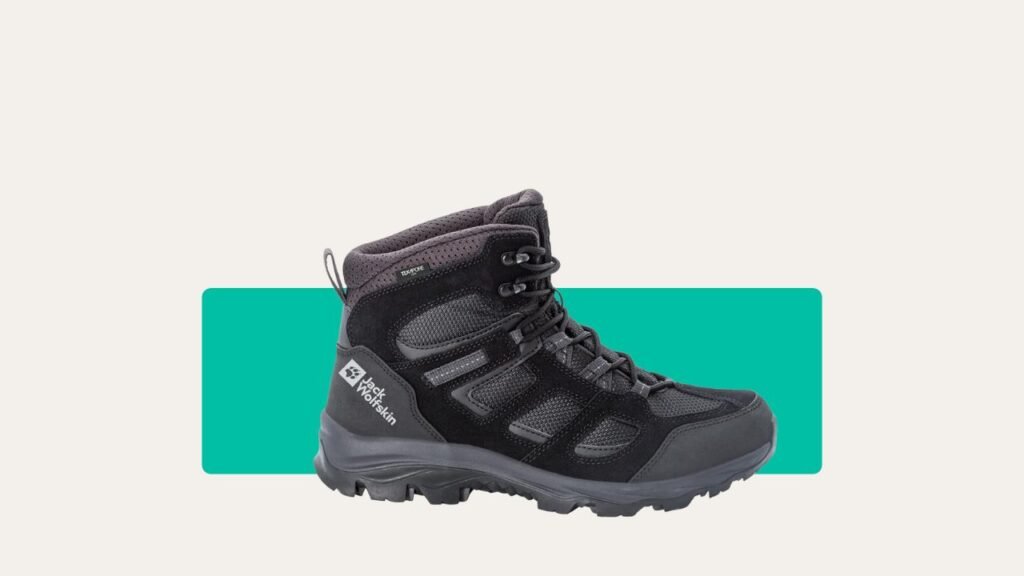
Jack Wolfskin’s Vojo III boots are a classic choice for casual hikers and weekend ramblers. The Texapore waterproof membrane is what sets them apart, blocking out rain while allowing moisture to escape. Your feet stay dry without getting clammy.
Built with a mix of suede leather and synthetics, these boots offer a snug fit with good ankle support. The aggressive tread on the Sure-Grip outsole bites into soft ground, giving dependable traction on uneven and wet trails. Plus, the toe and heel caps help shield your feet from impacts on rocky paths.
These are dependable all-rounders, but they’re not the softest underfoot, and there have been some grumbles about long-term sole durability.
3. Salomon Men’s X Ultra 4 Mid GTX Hiking Boots
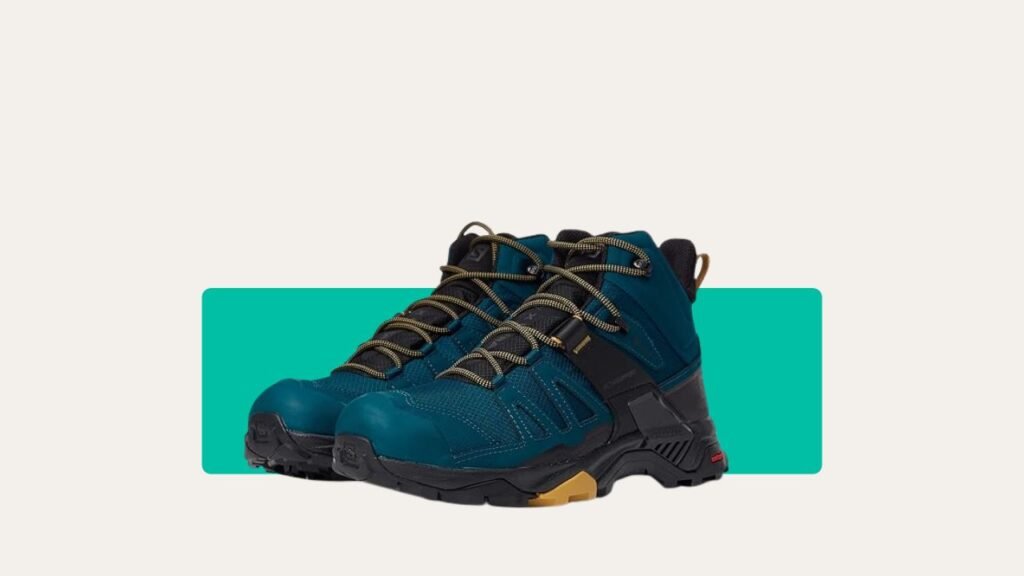
The Salomon X Ultra 4 Mid GTX strikes a brilliant balance between a hiking boot and a trail running shoe. They feel light and agile on the foot but offer serious protection for rugged routes. The new chassis design protects sensitive joints and improves stability on uneven ground.
The Gore-Tex membrane keeps water out while allowing sweat to escape, and the Contagrip outsole with its chevron lugs handles mud, gravel, and wet rocks with ease. These are boots made for tough climbs and wet descents.
These boots are especially ideal for speed-focused hikers or those tackling technical trails.
4. Northcape Men’s Granite Waterproof Hiking Boots
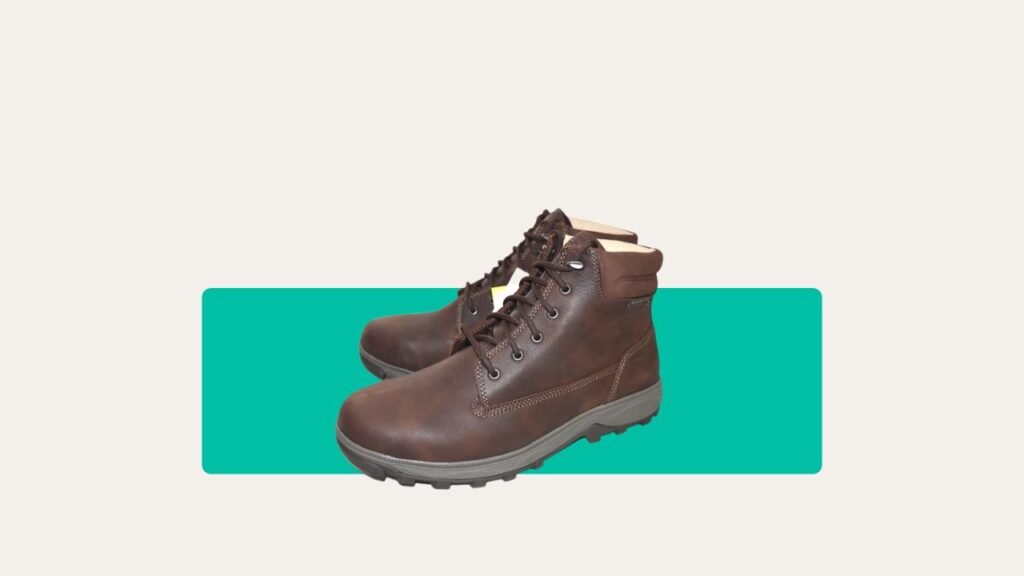
If you’re after a boot that can handle long days on technical terrain without leaving your feet damp or sore, the Northcape Granite boots are a solid pick. They’re built for British hikes with a 4-layer fabric lining that offers impressive moisture-wicking and abrasion resistance, meaning your feet stay dry and comfortable even on mucky trails.
The hydrophobically treated Pittards leather upper sheds water like a pro, while the bootie construction gives a supportive, sock-like fit. Traction is handled by a Vibram XS Trek outsole, which grips well even on steep, rocky paths.
It’s a comfy, reliable boot, especially with the Phylon and EVA midsole, though the laces could be better quality and the style options are limited.
5. Salomon X Ultra Mid 3 GTX Men’s Hiking Boots
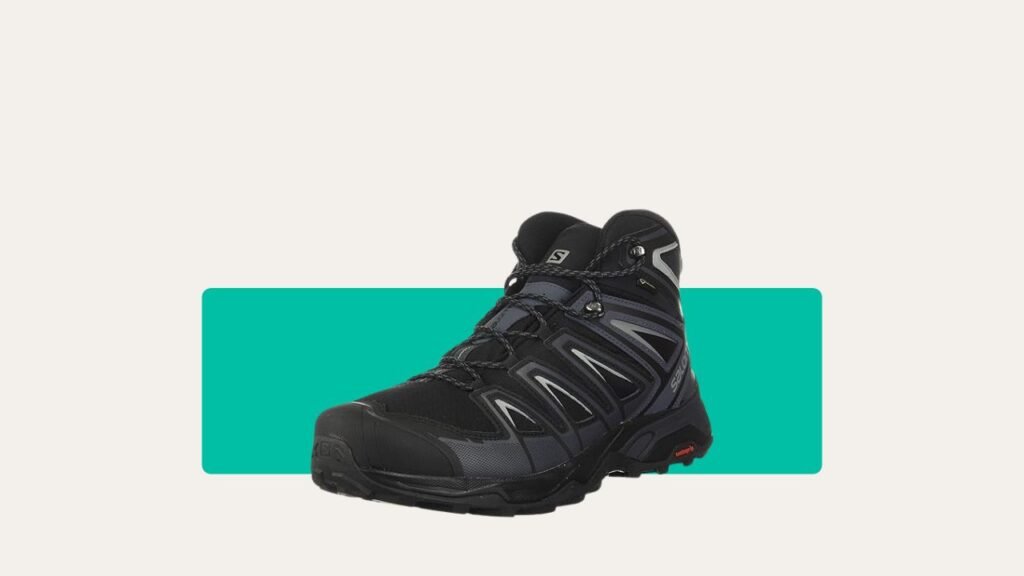
The X Ultra Mid 3 GTX is purpose-built for serious hikers who want precision and protection on steep descents. Salomon’s Descent Control technology helps you maintain stability and confidence going downhill, while the Advanced Chassis ensures every stride is efficient and supported.
Its Gore-Tex liner keeps water out while letting sweat escape, and the Sensifit cradle system keeps the boots hugging your foot just right. You also get an OrthoLite footbed, EVA cushioning, and Contagrip outsoles – great for dry and rocky trails.
That said, these boots can struggle a bit on wet, slippery ground and may not suit wider feet comfortably.
6. Karrimor Men’s Mendip 3 Leather Hiking Boots
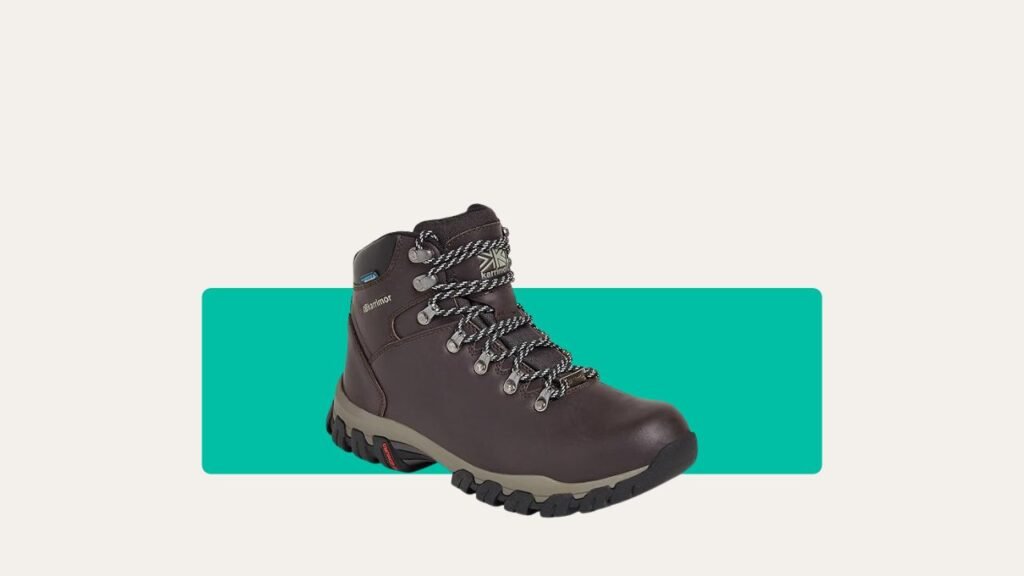
Budget-conscious hikers, take note – the Karrimor Mendip 3 boots deliver good waterproofing and comfort at a wallet-friendly price. The rugged crazy horse leather upper is tough, while the Weathertite tech ensures your feet stay dry and protected from wind and water.
Underfoot, a Dynagrip outsole provides reliable traction in the wet and mud, while Phylon and compressed EVA cushioning makes long walks much easier on the joints, even with a heavy pack.
They come in three colour options and are a dependable choice for UK conditions. Just be mindful – they tend to run small, and the outsole can wear quicker with heavy use.
Leather vs Synthetic: What’s Best for UK Hillwalking?
Let’s kill the myth: “Leather boots are always better.” Not true for everyone. Here’s the real difference.
Leather boots (like the Hanwag Makra):
- Built like tanks. Once broken in, they mould to your feet and can take years of abuse.
- Need waxing, regular care, and patience for the break-in period.
- Heavier, but unbeatable for support and keeping the weather out on multiday treks.
Synthetic boots (Altra Lone Peak, Hoka Anacapa):
- Lighter, more flexible, and good straight out of the box.
- Less faffing with maintenance.
- Usually not as durable as leather, especially if you drag them up scree slopes.
Personal take: I use leather in cold, wet months or for Scottish Munros; synthetics for fast hikes in summer or if I want to carry less. Try both if you can.
Getting the Right Fit: No Blisters, No Fuss
Blisters are a walker’s curse. Most come from bad fit, not bad boots. Here’s what I wish more people realised:
Always wear your thick hiking socks when trying boots. Shop late in the day when your feet are a bit swollen – closer to how they’ll be on the hill.
Walk up and down stairs in the shop (if they’ll let you). Your heels shouldn’t slip. Toes shouldn’t ram into the front.
If the boot feels wrong in the shop, it won’t get better on a 20km hike.
Allow a break-in period, especially with leather. Don’t hit the Yorkshire Three Peaks with day-old boots.
If you use custom insoles, bring them along. They can change the fit entirely.
I’ve seen hikers quit six miles in because they “thought the rubbing would stop.” So, I often tell people to always trust their feet – not wishful thinking.
Maintenance Tips for Taking Care of Your Boots
British trails chew through boots if you don’t look after them. Even if you get the best hiking boots, if you don’t take care of them, they are still going to end up being a total disaster. So, regardless of the option you choose from the above list, here are some maintenance tips to pay attention to so your boots can serve you for a longer time:
Cleaning: Mud kills waterproof membranes. Rinse off muck after each walk. Use lukewarm water and a brush, not washing-up liquid.
Drying: Never roast boots by the fire or radiator – the glue and leather will crack. Stuff with newspaper and leave them somewhere airy.
Waterproofing: Reproof with wax (leather) or spray (synthetic/Gore-Tex) every few months, or after a drenching.
Check Wear: Look for sole wear, split seams, or saggy heel cups. If traction’s going or wet patches form inside, time for a new pair.
Don’t let a rotten pair scupper a trip. Spending 10 minutes cleaning boots is better than hours limping or days drying wrinkled feet.
Final Note
There’s no single “best” walking boot for everyone. The best waterproof walking boots UK for you depend on your feet, your route, and how you like to walk. Some need the fortress-like support of leather. Others want something light and nimble. You might swap boots by the season – or the mood.
Consider the ones we have recommended in this guide. Test them out, care for them, and don’t accept blisters or wet toes as normal. Good boots don’t just last; they make every mile better, drier, and a whole lot happier.
For more advice and honest kit tests, check out our walking socks guide. Get the right gear and the hills are yours – no matter what the sky throws down.