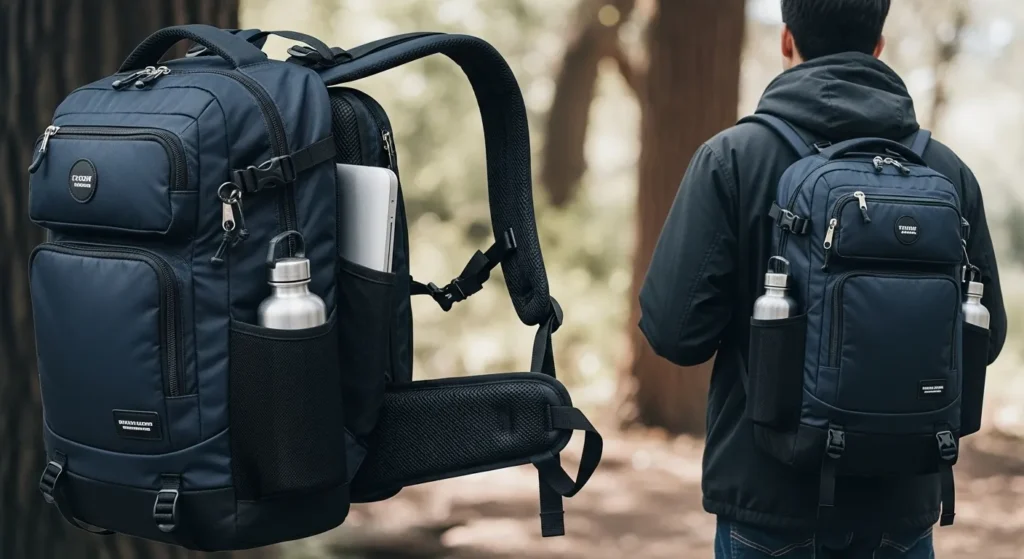
Let’s bust a common myth right out of the gate: bigger isn’t always better when it comes to rucksacks. I’ve made the mistake myself – lugging a 65-litre beast across Dartmoor for a quick two-nighter, only to realise I was carrying more dead space than gear. Trust me, it’s not heroic – it’s just heavy.
If you want a rucksack that works with you, not against you, this guide will walk you through what actually matters – fit, features, and how to avoid overpacking your regrets.
Pinpoint What You’ll Use the Rucksack For
The first question is always, “What’s this rucksack actually for?” Most folks buy too much bag or not enough. If you’re day-tripping in the Peak District, a giant expedition pack is pointless. If you’re hiking the Pennine Way for a week, a tiny daypack will leave you cold and hungry.

For daily wanderings, errands, or short hikes, 20-30 litres is bang on. Heading for a weekend wild camp? Think 35-50 litres. Multi-day treks, winter camping, or back-of-beyond expeditions need 60 litres or more. Don’t buy for once-a-year big trips. Buy for your regular adventures.
Sizing Up Capacity – What Fits Where
Let’s talk litres, because size matters. Rucksacks are measured by volume. It’s easy to overestimate what you actually need. For quick reference:
- Daypacks (20–30L): Ideal for a waterproof, flask, butty box, and a light layer. Great for city days and hill walks.
- Weekend packs (35–50L): Enough room for bivvy kit, food stash, spare clothes, and a compact cooker.
- Expedition bags (60L+): Built for longer wanderings, extra gear, winter kit, or anyone hauling serious food or photography equipment.
If you’ve got a tendency to overpack (haven’t we all, at least once?), deliberately go slightly smaller. It forces smarter packing and saves your shoulders.
Getting a Proper Fit for Your Body
Here’s where many fall down. A rucksack isn’t “one size fits all”. Like boots, they must match your body. Your pack should carry most weight on your hips, not your shoulders. If it hangs off your back like a sack of spuds, you’ll be sore before the rain even starts.
Measure your torso length (base of your neck to top of your hip bones). Brands often have regular, short, and long fits. Women’s-specific rucksacks can make a huge difference, too. They have narrower shoulders, shaped hip belts, and better proportions. I used a unisex pack for years and suffered for it. Swapped to a women’s fit, and the difference was night and day.
Look for adjustable back lengths, shoulder straps, and hip belts. Try before you buy, loaded with at least 5-10kg. Hop on the spot – if it clatters about, try again.
Choose Features That Actually Matter
Forget features you’ll never use. Focus on what genuinely helps outdoors. Here’s my tick-list:
- Pockets: Elastic side sleeves for bottles, top pockets for snacks and head torches, front stash for wet kit.
- Organised compartments: For the neat freaks, separate dirty clothes, maps, or kit you want in a hurry.
- Hydration sleeve: Vital if you use a water bladder. Saves digging for bottles mid-walk.
- Laptop sleeve: If you’re mixing city with trail (or work on the move).
- Attachment points: Loops for walking poles or ice axes. Daisy chains for securing extra bits. Top tips: test you can fit and grab these with gloves on.
Don’t get dazzled by secret pockets or “innovative” gadgets you’ll never use. Simplicity and smart design win every time.
Never Compromise on Comfort
Any seasoned camper or hiker will agree – if your rucksack’s uncomfortable, your trip’s already halfway ruined. Comfort isn’t a luxury here; it’s essential. Start with a padded hip belt – this is what takes the load off your shoulders and puts the weight where your body can handle it best. Thin straps? Forget it. They’ll dig in and leave you bruised by lunchtime.

Next up is the back panel. Go for something with breathable mesh and solid padding. It keeps your back cool on sweaty climbs and stops your stove or water flask from jabbing you every step of the way. Load lifters – those little straps near your shoulders – might not look like much, but they help pull the pack closer to your back, reducing sway and strain.
And don’t overlook the sternum strap. It keeps your shoulder straps in place and adds stability, especially on uneven trails. I once cheaped out and ended up with chafed hips and aching traps for days. Don’t make that mistake. A comfortable pack isn’t about luck; it’s about good design.
Think About Durability and UK Weather
A rucksack’s only as good as its weakest seam. UK weather loves to test your gear – wind, sideways rain, bogs and brambles. Look for:
- Strong fabrics: Ripstop nylon or polyester, 400D or higher for main packs, 600D for bottom panels.
- Tough zips: YKK is the gold standard. Look for chunky, snag-free closures.
- Weatherproofing: Most bags are water-resistant, but not waterproof. If you’re hiking in our Isles, a rain cover is vital. Some packs include them; with others, you’ll need to buy separately. For Scotland’s finest drizzle, carry a bin bag liner for absolute backup.
Check reviews for wear, especially at stress points and straps. I’ve seen cheap packs let go halfway up Helvellyn. That’s not a fun walk down.
Frame Types – What’s Inside Counts
Frames stop packs flopping and help with load-carrying. There are three types:
- Internal frame: Most hiking packs now use this. Lightweight stays or framesheets for support. Feels close to your back, so good for moving fast or scrambling.
- Frameless: For very light loads. Saves weight, but lacks structure for heavy or awkward gear. OK for commuters, less so for wild campers.
- External frame: Rare these days, but brilliant for carrying big, odd-shaped loads. Heavier and more old school – think Duke of Edinburgh’s Award in the 80s.
If in doubt, go internal. It’s the best all-rounder for UK adventures.
Special Extras
Some extras just make life easier. Top picks:
- Quick-access pocket: Throw in gloves or a hat on the move without faffing.
- Walking pole holders: A must if you use sticks. Essential for stream crossings and big hills.
- Helmet or rope holder: For climbers or bikers.
- Reflective details: Necessary if you’ll be walking roads at dawn or dusk.
My most-used feature? An external stretch pocket. Stash waterproofs, wet tent pegs, or that map after you drop it for the third time in a gale.
Popular Rucksack Picks (2025)
Let’s skip the overhyped stuff and talk about packs that actually hold up – from boggy trails to crowded campgrounds.
Berghaus 24/7 20L – Best for Day Hikes
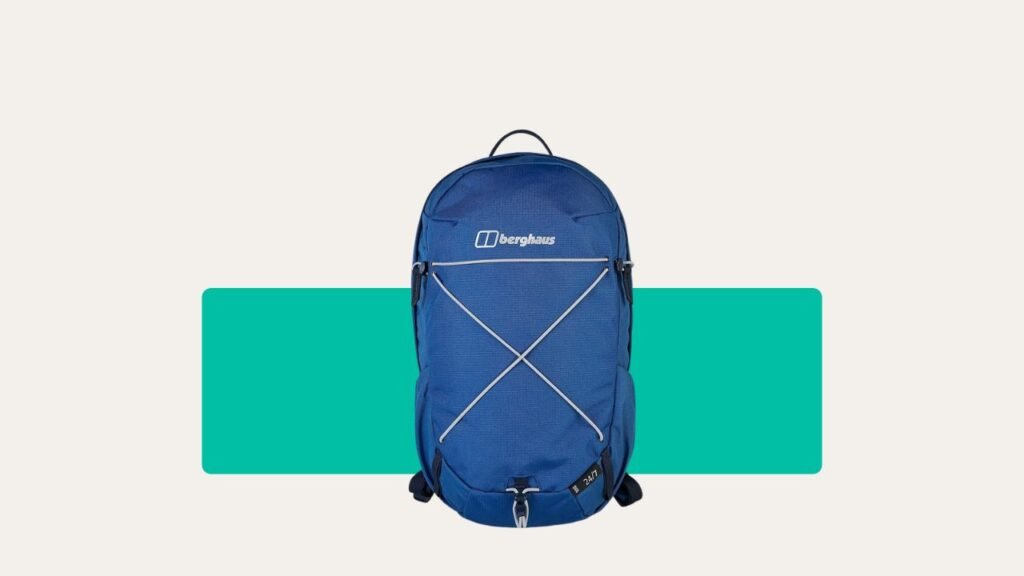
If you’re heading out for the day, this one’s a no-fuss hero. It’s built tough – can handle rain, mud, and the odd barbed fence – plus the zips are sturdy enough to outlive your boots. Enough space for layers, lunch, and a flask, but not so big that you’re tempted to overpack. Great for quick hikes, city days, or stuffing in the car just in case.
Jack Wolfskin All-In Pack 30 – Best All-Rounder
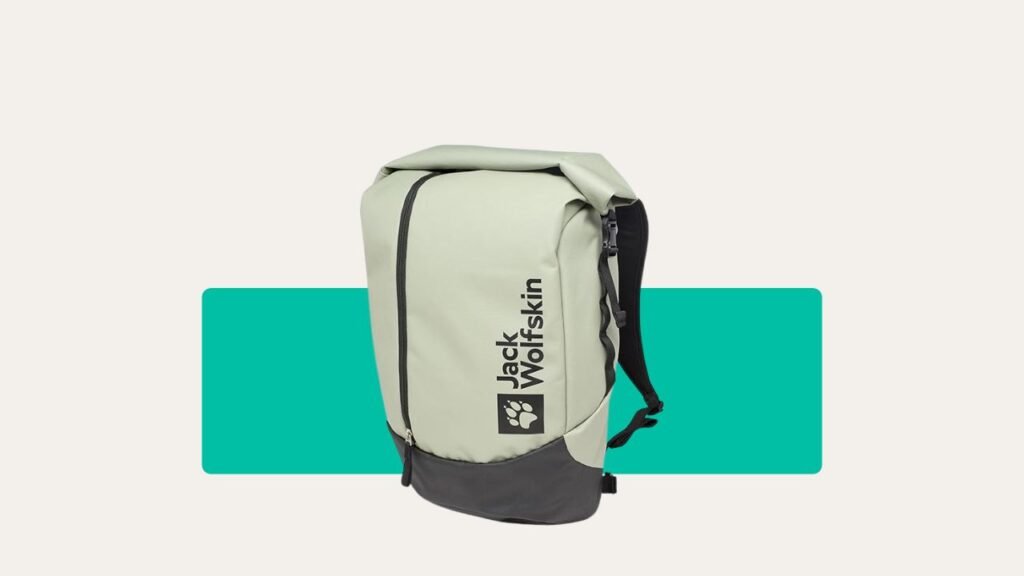
Here’s the one I grab when I’m unsure what the weather’s doing or where I’ll end up. It’s rugged enough to bash through thorny bramble, with water resistance that held up just fine on a soggy Snowdon hike. Bonus points for a smart internal layout – there’s space for kit, snacks, and even a laptop sleeve for hybrid work-camp trips. Versatile and seriously dependable.
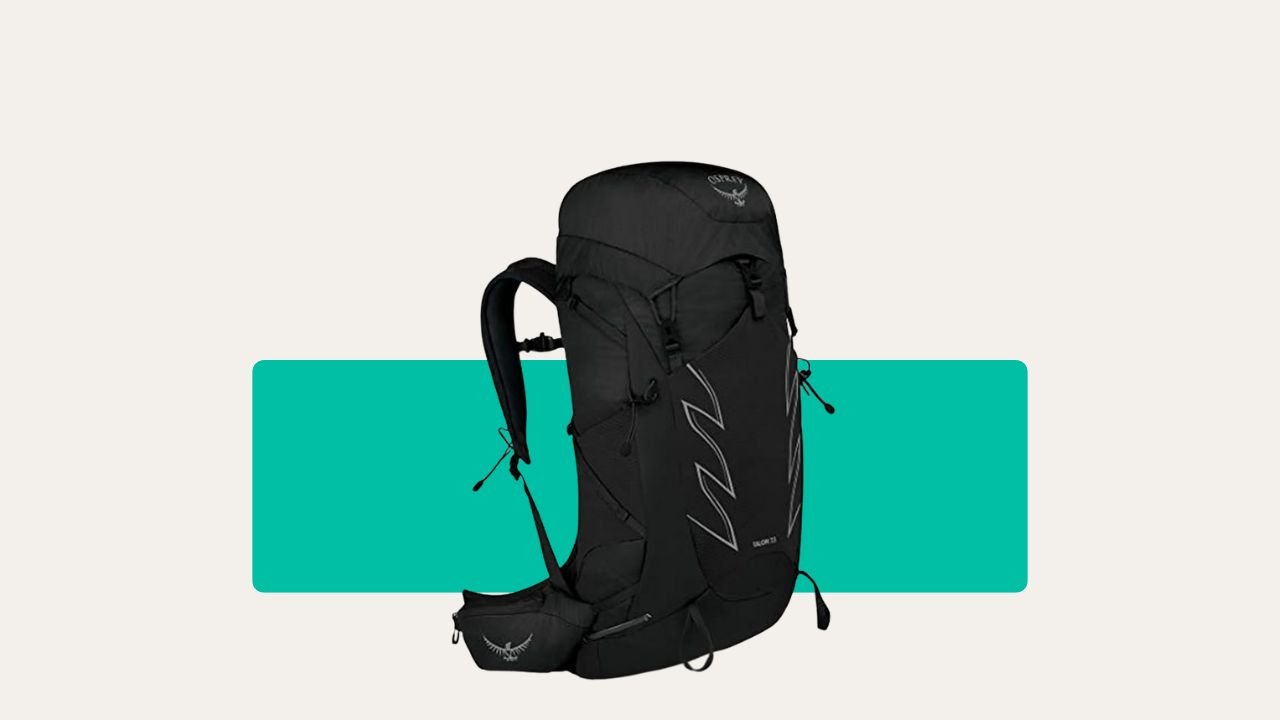
Osprey Atmos AG 65 – Best for Long Treks
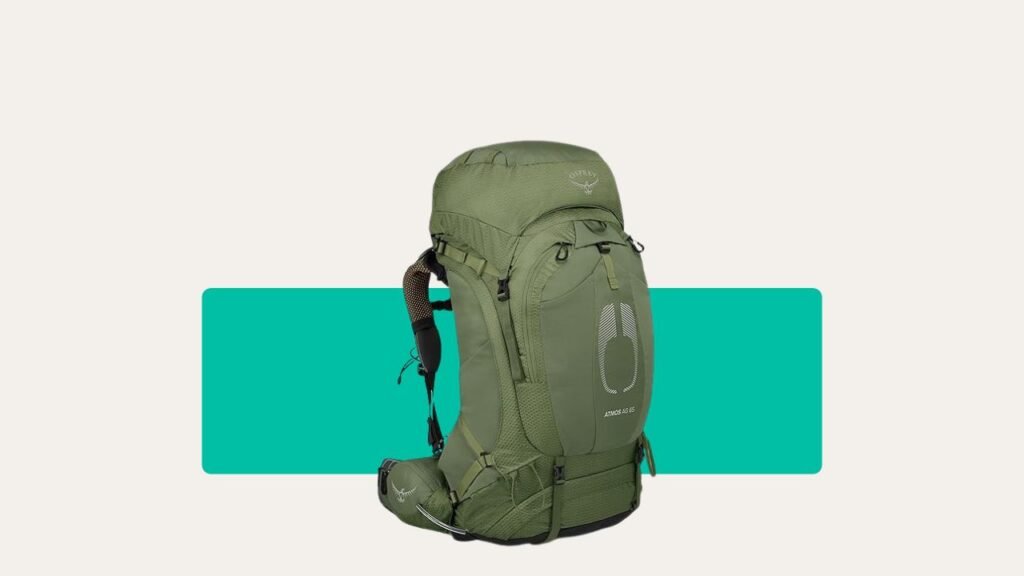
Yes, it’s a wallet-hurter. But for multi-day treks or a coast-to-coast challenge, this pack earns its keep. The AntiGravity suspension system genuinely makes it feel lighter than it is, and the airflow across your back is a godsend when you’re slogging uphill. Loads of storage, built-in rain cover, and the kind of comfort that makes 20+ mile days survivable. Think of it as your trail sofa.
Your Final Rucksack Buying Checklist
Right – you’re nearly there. Before handing over your cash, check this list:
- Size: Is it just right for your usual trips or very slightly smaller so you don’t overpack?
- Fit: Does it sit comfortably on your back? Are the hip and shoulder straps adjustable for your shape?
- Features: Do the pockets, sleeves, and attachments suit the way you camp or travel?
- Comfort: Is the padding up to scratch? Does the load sit on your hips, not just your shoulders?
- Durability: Does the material feel strong? Are the zips and seams up to muddy, wet UK walks?
- Weather: Does it come with a rain cover or allow you to fit one easily?
- Price: Is it worth the money for how often you’ll use it?
The Honest Bottom Line
Bigger is not always better when choosing a rucksack. Weight, fit, and features matter far more than litre counts or brand logos. You want a bag that hugs your back, doesn’t wobble, shrugs off a downpour – and doesn’t leave you cursing halfway up Cadair Idris.
Try gear on. Load it out. Ask folk on the trail. Learn from the old hands – like me – who’ve packed the wrong bag for the wrong hill a time or three. Your back (and spirit) will thank you for getting this right, believe me.
If you need more on kit testing or campsite tales, see our guide to the best sleeping bags for the UK. Stay dry, stay smart, and may your next rucksack never let you down.