When a jacket’s named after Lhotse – the fourth highest mountain on earth – you know it’s not messing about. Sitting right next to Everest, Lhotse is steep, cold, and wildly unforgiving. So, for Mountain Equipment to give their top waterproof shell that name? Well, let’s just say the bar’s set high.
I’ve spent the past few months dragging the Lhotse jacket through everything the UK weather could throw at me, and it’s been my main jacket for hiking, scrambling, and just about everything else outdoors. Honestly? It’s held up like a champ.
This guide isn’t about fancy specs or sales pitches. Just a real-world take on how the Lhotse performs when you're out there, getting properly soaked and wind-battered. If you're wondering whether it's worth the money (or the extra weight in your pack), I’ve got you covered.
What About the Mountain Equipment Lhotse Jacket?
The Mountain Equipment Lhotse isn’t your average high street “outdoor” jacket. Sitting near the top of the Mountain Equipment range, it’s the kind of shell they pitch at folk who plan to actually trust their lives to their kit: climbers, mountaineers, year-round wild campers.
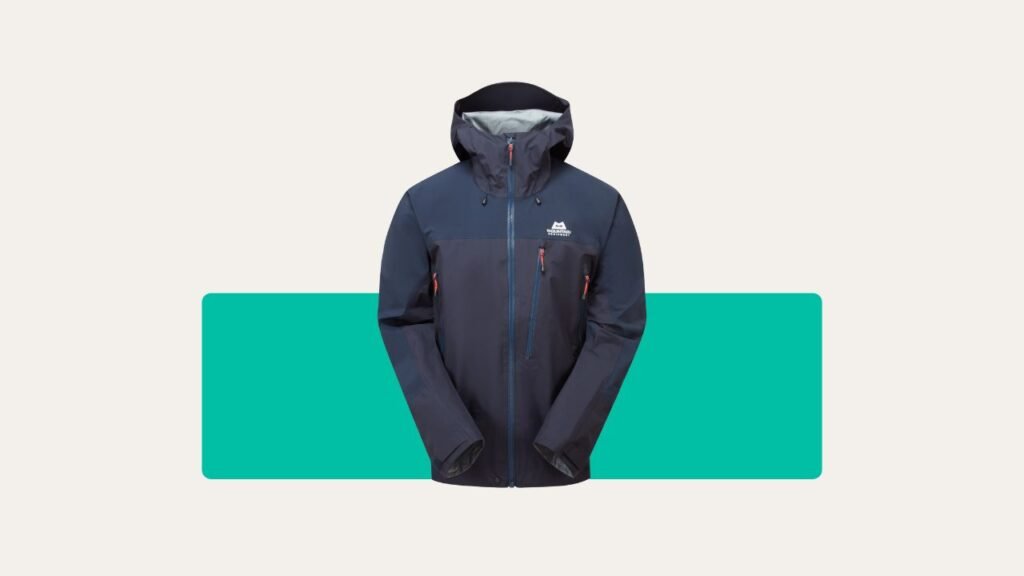
It’s made with GORE-TEX Pro, which is pretty much the gold standard for waterproof jackets these days. If you head out when the forecast says “only the daft or determined need apply”, the Lhotse is aimed at you.
It’s not really one of those “wear to the pub, impress your mates” numbers. Think of it as specialist gear built for the kind of UK weather that sends most people back inside for a cuppa.
Materials and Build Quality of the Lhotse
I’ve owned plenty of jackets that looked “technical” but gave up when dragged through a hawthorn bush or brushed against gritstone. The Lhotse is different. Mountain Equipment uses 40-denier GORE-TEX Pro for the main sections. That means it’s waterproof, light, and moves well.
But they reinforce the shoulders, sleeves, and upper chest with beefier 80-denier fabric. If you carry a heavy rucksack or drop to your knees on rough ground, this really matters.
The stitching, zips, and adjustors all feel up to the job. I’ve never had a YKK zip jam on me, even after freezing dawns in Scotland or sandy nights in Snowdonia. Every part is chosen for tough use, not Instagram appeal.
Even though the Lhotse does show mud and scuffs more than some other jackets, I’d rather have something built to take a battering than one that just looks smart in store.
How Does It Fit?
Fit is personal, I know. I’m 6’0, on the lean side, and usually between sizes. The “alpine fit” of the Lhotse is designed for movement without flapping about. The arms are long, perfect when you’re reaching for holds or putting up a wild camp tarp in the wind.
On me, a medium allows a thin fleece underneath but isn’t baggy. If you’re stockier or want to pile on bigger winter layers, size up. The jacket’s rear hem drops lower than the front – a proper “tail” that stops water running down your back, especially handy on rainy ridge walks.
For women or those with wider hips, expect the Lhotse to be snug. Mountain Equipment sizing tends to favour athletic shapes. My advice? Try before you buy if possible, or buy from somewhere with a good returns policy. Don’t guess – fit makes all the difference when the wind picks up and you’re faffing with kit.
Lhotse Jacket Features: Packing on What Actually Matters
This is where the Lhotse starts to justify its price. The hood is, honestly, one of the best I’ve ever used. It swallows a helmet for winter climbing, yet cinches down tight enough for just a beanie. The wired peak doesn’t collapse when the rain turns horizontal.
Adjustment toggles are actually usable with gloves – a small detail, massive difference after numb-fingered hours on a Scottish summit.
Pockets are well thought out. Two big outer ones, high enough for a rucksack belt; a proper “Napoleon” chest pocket; and a laminated internal zipped pocket for your phone or headtorch. All zips are chunky YKK AquaGuard – no leaks, no faffing about in the dark.
Pit zips (armpit vents) run almost elbow to ribs, letting you dump heat fast when slogging uphill in a storm. Cuffs and hem have glove-friendly velcro and cord adjustments. Everything feels made for fiddly, cold conditions, not just to tick boxes on a kit list.
Breathability and Comfort: Sweaty or Sweet?
No hardshell keeps you perfectly sweat-free while you’re lugging an overloaded pack uphill. But the Lhotse does better than most. I’m a hot, sweaty walker by nature. If a jacket’s going to fog up, it’ll be on me. On those breathless climbs above Ogwen valley, the underarm vents kept me from boiling over.
The inner fabric doesn’t feel clammy, even if you’re down to a T-shirt underneath. On milder spring days, just opening the vents lets you avoid the “boil in the bag” feeling.
If you chase mountain tops on warm, muggy days, you’ll sweat – no shell fixes that – but the Lhotse recovers quick, and it never feels like a bin bag.
Durability: Built for Real-World Abuse
A jacket’s only as good as its weakest part. I’ve watched some “lightweight wonders” turn to ribbons after a season with the dog and thorns. The Lhotse, after months of dragging through gorse, scraping rocks, and getting caught in tent poles, is still going strong. Some marks, sure, but no leaks, tears, or failed seams.
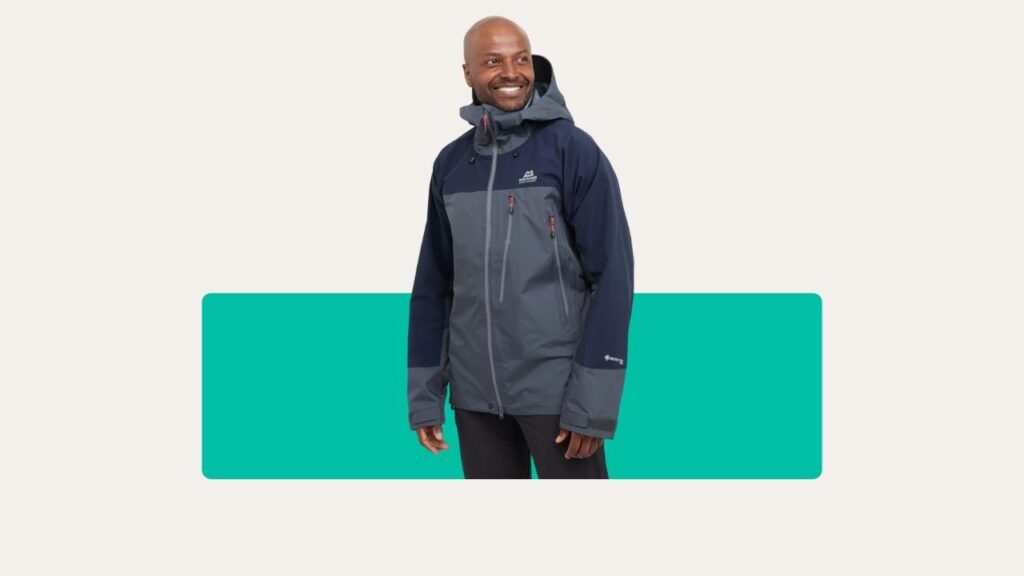
Zips run smoothly, even clogged with grit. Velcro cuffs don’t peel away after a few months. This isn’t an ultralight option for gram-counting backpackers, but for anyone who actually uses their kit in anger, it’s a solid investment.
No jacket survives abuse forever, but I trust the Lhotse more than most. If you camp full seasons, climb, or just tend to break kit, it earns its keep.
Cost and Value: Is it Worth Your Money?
Let’s be blunt. The Lhotse is expensive. We’re talking £350-£400 when not on sale. Yes, you can get “decent” waterproof shells for less. But none I’ve tried give the sense of bulletproof confidence the Lhotse does.
Is it worth it? If you truly camp or climb in wet, rough British weather, yes. You’re buying seasons of comfort, protection, and less faff when it matters most. If you’re just after something for the odd dry-weather stroll, save your money.
Watch for sales, outlet deals, or ‘last season’ colours. Sometimes shaving a bit off the price makes the choice easier.
Best Uses: Who Gets the Most Value?
This jacket is perfect for anyone genuinely tackling UK hill weather. Think of winter wild campers, year-round walkers, “type two fun” climbers. I reach for mine when I know the weather will challenge me.
It’s brilliant for winter mountains, dreich shoulder-season expeditions, and coastal wild camps where the wind can rip your tarp away. Not overkill if you value your own comfort and safety above weight savings.
For summer strolls, urban dog walks, or UL hikers counting every gram, it’s more jacket than you likely need.
The Nitty-Gritty: Pros and Cons (No Punches Pulled)
Overall Verdict: Buy, Borrow, or Pass?
If your goal is to have one jacket that stands up to the worst Britain sits you down in, the Mountain Equipment Lhotse is a buy. It isn’t perfect – nothing is – but it’s the best hardshell I’ve camped, climbed, and suffered in. Expensive, yes. But so much cheaper than the train home after soaking through before lunch.
If you’re just levelling up from basic waterproofs and plan to use your gear, you’ll notice the difference instantly. I wish I’d bought mine before that sodden spring in the Lakes. Would have saved me some very soggy evenings.
Bottom line: if you go outdoors whatever’s on the forecast, the Lhotse is one shell you’ll thank yourself for owning, again and again. And if you ever meet another Lhotse owner on a windswept hill, you’ll exchange that knowing nod.
You can check more real-world kit reviews and tips for tackling UK excursions on our full camping gear reviews page. Stay warm. Stay dry. See you out there.